China’s Subsidy Machine Is Reshaping Global Capitalism
Strategic competition with Beijing demands clarity on American commitments and economic leverage.
The coverage treats China’s subsidy machine as just another chapter in “global capitalism,” as if Beijing is merely playing the same game with bigger numbers. That framing misses the point. China is not simply competing.
New Republican Times Editorial Board
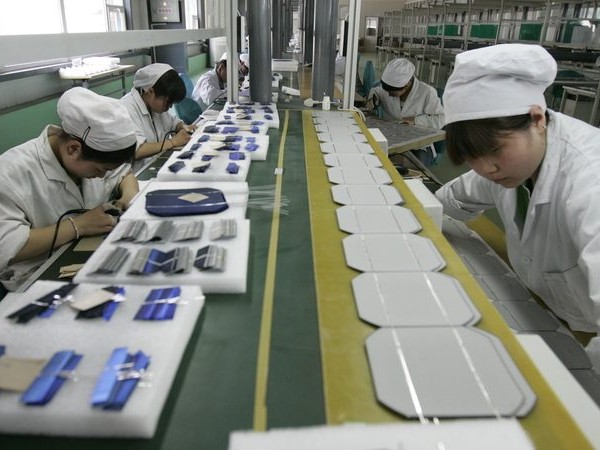
The COVID-19 pandemic and the geopolitical conflicts to follow exposed severe weaknesses in global supply networks, prompting governments, caught off guard and complacent, to pour money into critical sectors like semiconductors, critical minerals, and pharmaceuticals to prevent future shortages and reduce dependence on geopolitical rivals.
Consequently, governments across the globe have increasingly been doling out state subsidies to local firms in a bid to secure supply chains, accelerate the transition to green energy, and protect domestic manufacturing
Original source:
Read at Oil PriceHow We See It
New Republican Times Editorial Board
The coverage treats China’s subsidy machine as just another chapter in “global capitalism,” as if Beijing is merely playing the same game with bigger numbers. That framing misses the point. China is not simply competing. It is using the state to tilt markets, harvest technology, and lock in leverage over the industries modern life depends on.
The real problem is not that governments woke up after COVID and started spending. It’s that free markets can’t function when one side runs a permanent, state-backed price war. When subsidized overcapacity floods global supply chains, American workers and firms face “competition” that isn’t competition at all. Pretending otherwise erodes public trust in trade and in our institutions.
A serious response prioritizes national security supply chains, fair competition, and rule of law trade enforcement, not wishful thinking about convergence. The principle at stake is simple: a stable economy requires rules that apply to everyone, especially major powers.
Commentary written with AI assistance by the New Republican Times Editorial Board.