

A Constitution Day Roadmap For The Supreme Court And How To End
Constitutional questions test judicial philosophy as Americans debate the role of unelected judges.
It’s not every day the Supreme Court admits it has been living with a bad decision since 1935. But that’s what makes Trump v. Slaughter a bracing read.
New Republican Times Editorial Board
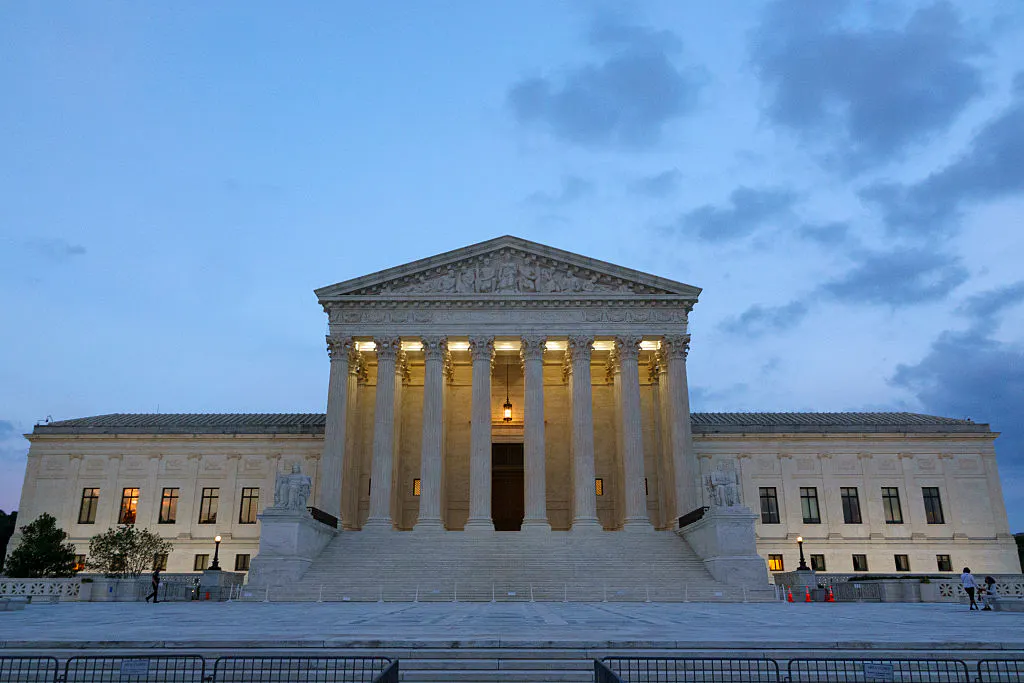
The Supreme Court’s ruling in Trump v. Slaughter gives us a reason to celebrate Constitution Day. In that case, SCOTUS corrected a long-standing error. It overruled a 1935 decision that hobbled the president in his constitutional duty to run the executive branch of the federal government.
Now it’s time for the court to correct some
Original source:
Read at Daily WireHow We See It
New Republican Times Editorial Board
It’s not every day the Supreme Court admits it has been living with a bad decision since 1935. But that’s what makes Trump v. Slaughter a bracing read. The Court didn’t just tweak a rule around the edges. It said, plainly, that an old precedent had hobbled the president’s job of running the executive branch and it was time to stop pretending that was normal.
For years, Washington has treated the president like the “leader” of the executive branch in speeches and a bystander in court doctrine. That mismatch is how you end up with a federal government where nobody is really in charge, but everyone can block action. The Court’s move matters because it restores a basic line of accountability: if the executive branch makes a mess, we know whose desk it lands on. Power without responsibility is the real danger, and that’s exactly what the 1935 framework encouraged.
The predictable outrage will be that this “helps Trump,” as if the Constitution is supposed to be applied differently depending on who won the last election. Conservatives shouldn’t be shy about saying it: when the Court fixes a structural mistake, it’s good for the country. And yes, it’s a reminder that Trump’s fights with the permanent bureaucracy weren’t paranoid fantasies. A system built to frustrate elected leadership will always tilt toward the unelected.
The article is right to call this a Constitution Day roadmap, but the road shouldn’t end with one case. If the Court is serious about cleaning up the legal clutter that built up around the modern administrative state, it has more work to do. This is a chance to put government back on rails, where agencies execute the law, courts interpret it, and voters can actually reward or punish the people in charge. That’s not radical. That’s just how it’s supposed to work.
Commentary written with AI assistance by the New Republican Times Editorial Board.