Latest economy news from a conservative perspective
Now $1 billion richer, Zas told someone inquiring about his next move: “Still roping cattle, off the grid.”
Tesla unveiled its long-anticipated Roadster on Thursday during a dramatic event in which the vehicle used compressed-air thrusters to fly off a ramp and perform a midair maneuver.
Inspectors at the Food and Drug Administration found "gross contamination" at two factories in China that make components for GLP-1 weight-loss drugs -- including mold and bug infestations, according to an explosive report.
Losing a beverage partnership would come as a blow to PepsiCo, which is struggling to improve sales in the country.
It comes as some investors have become concerned about the amount of money being spent on AI infrastructure.
In the spring, Chirayu Rana slapped the bank with a wild suit accusing senior executive Lorna Hajdini of sexual assault and misconduct that she strongly denies.
The ChatGPT maker said the alleged theft by the ex-employee was discovered during a “recent and ongoing forensic investigation” related to the lawsuit.
The lawsuits are seeking an order forcing OpenAI to make changes to how ChatGPT works for children. The states are also seeking an order forcing the company to give up profits it has generated from young users.
Airtable is the latest Bay Area tech firm to lay off a ‘large’ number of employees as the key industry notches more than 14,000 job losses this year.
Abdulrahman Alfozan had worked for the AI giant for more than a year before he was arrested by the FBI.
The Competition and Markets Authority has fined Wayfair, Appliances Direct, and Gold's Gym £6m in total.
CVS agreed to pay $315 million to resolve Justice Department allegations it illegally filled opioid prescriptions and billed federal health care programs.
September is the second month in a row that the annual sales pace has remained below 4 million.
The leadership team is attempting a buyout, but a union has warned the retailer could fall into administration instead.
TFG London has apologised to customers for disruption after it identified a "cybersecurity incident" on Sunday.
The IMF report comes as final preparations are being made to the first Budget under Prime Minister Andy Burham.
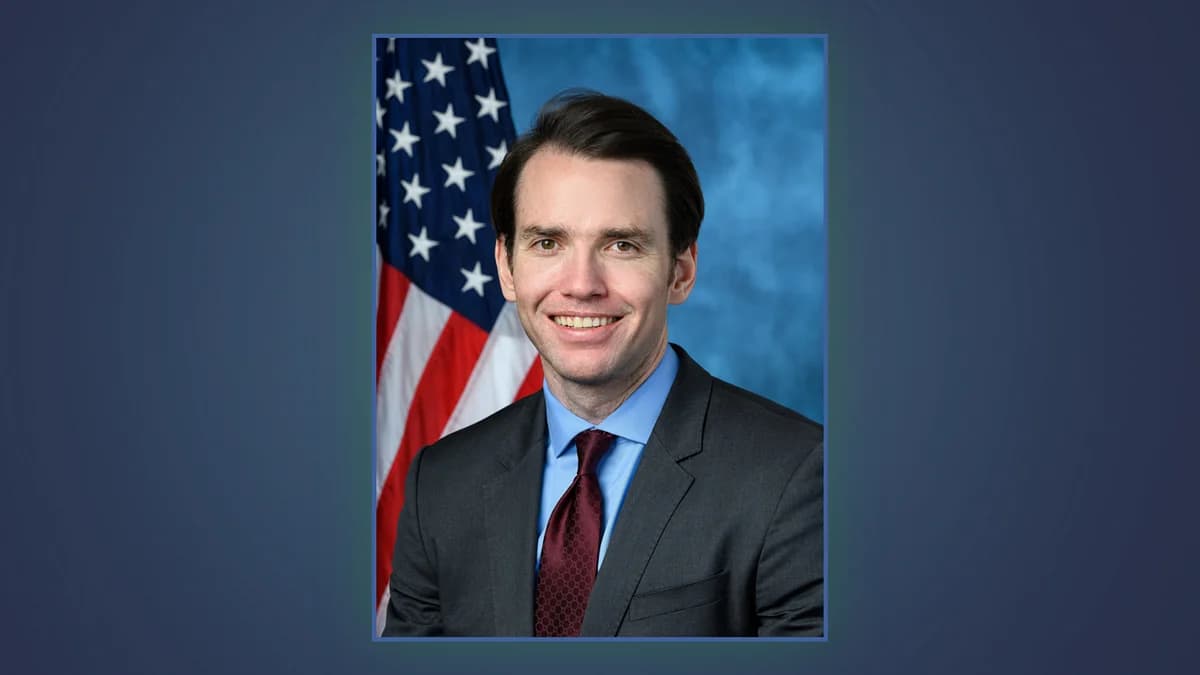
Taxes, affordability and immigration are among the top issues in a Northern California congressional district that Democrats redrew to pick up a seat in the House. U.S. Rep. Kevin Kiley, an independent who caucuses with […] Continue reading with a Black Chronicle subscription. Purchase The Black Chronicle Newspaper Subscription – Now with the All-New TBC Magazine! or The Black Chronicle Newspaper Subscription – Now with the All-New TBC Magazine!! to unlock this article and all subscriber content. Already subscribed? log in. The post Taxes, economy dominate key California congressional race appeared first on The Black Chronicle.
Heating oil customers facing soaring bills are promised better regulation of the sector by the government.
The Paris prosecutor's office said that a "large-scale" attack was "affecting connected refrigerators in several major food retailers across France," leading to food losses and fires.
Starbucks is shutting down takeover speculation after a report said that the coffee giant had explored a potential deal for the burrito chain.
It stemmed from a complaint that the self-driving taxis have been caught speeding through active school zones in at least four incidents, including video footage as evidence, according to auto regulators.
Hundreds of stores were targeted by the overnight hack, which spoiled fresh and frozen food estimated to be worth millions of euros.
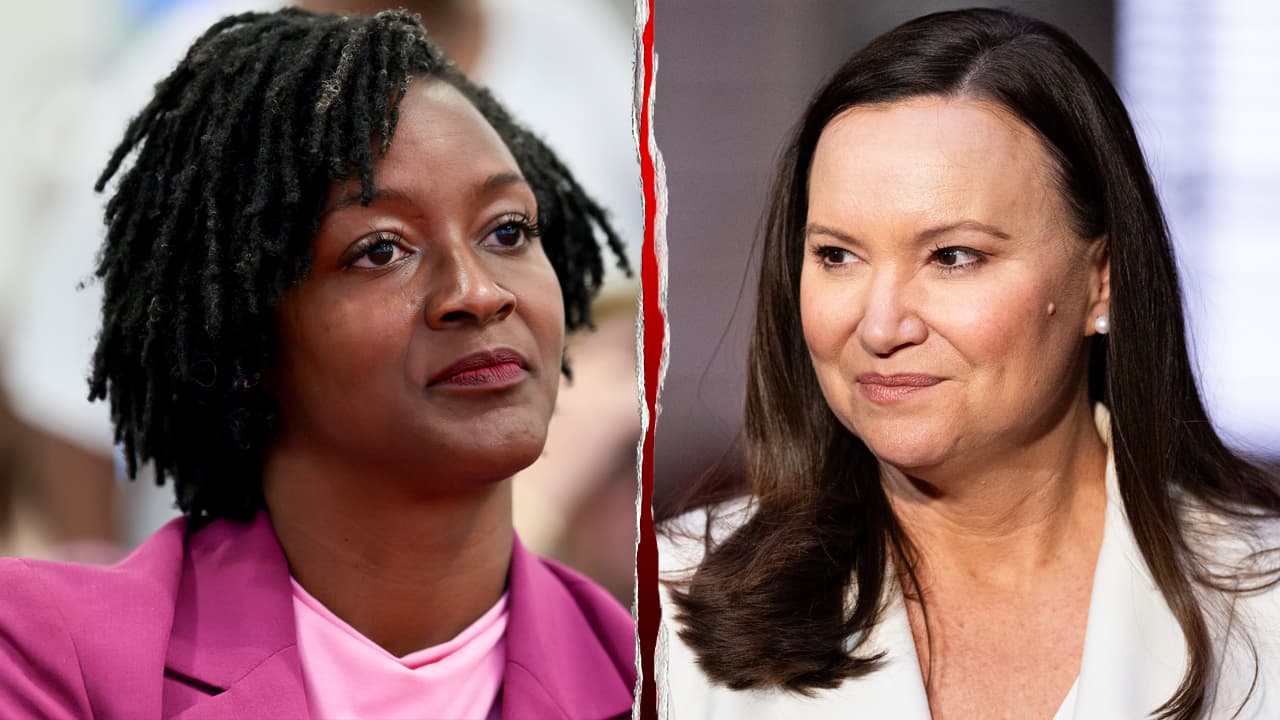
Sen. Ashley Moody warns democratic socialist policies threaten Florida's $1.8 trillion economy, pointing to blue-state capital flight and far-left pushes for government control.
The rural communities vulnerable to heating oil prices rises as the weather gets colder.
Marquee-name tenants have already been signed for about half of the building’s 930,000 square feet -- insurance giant Starr and law firm McDermott Will & Schulte.
The Chrysler Building’s storefronts remain depressingly empty on both Lexington Avenue and East 42nd Street except for a Chase bank branch.
Blume said Volkswagen was working to reduce complexity across the company, in what he called "the biggest transformation program in our history."
With $80 billion in debt and a sprawling media empire to combine, David Ellison will have his hands full with the now court-approved combination of Paramount and Warner Bros Discovery, known as Skydance.
Lyft has agreed to pay $272.5 million to settle a lawsuit brought by California officials over alleged wage theft and driver misclassification
Anthropic on Thursday updated its usage policy to bar people from “abusive or cruel behavior” behavior toward its Claude AI – even though it's not, ya know, actually alive.
Tribal gaming officials – which have thrown their weight behind a trio of lawsuits aiming to cripple Kalshi’s business claiming its siphoning money away from Indian casinos – slammed the partnerships.
Michigan Senate nominee Mike Rogers called for an end to the U.S. trade war with Canada, releasing a Wednesday ad that doesn’t mention President Donald Trump by name but creates new daylight with his tariff agenda. “Here in Michigan, we know that Canada is not our enemy,” Rogers, a Republican, says in a direct-to-camera commercial. […]
VP for economic policy at Independent Women Patrice Onwuka's immigrant family built wealth through free enterprise, and she says socialism's promise of equality always delivers equal poverty.
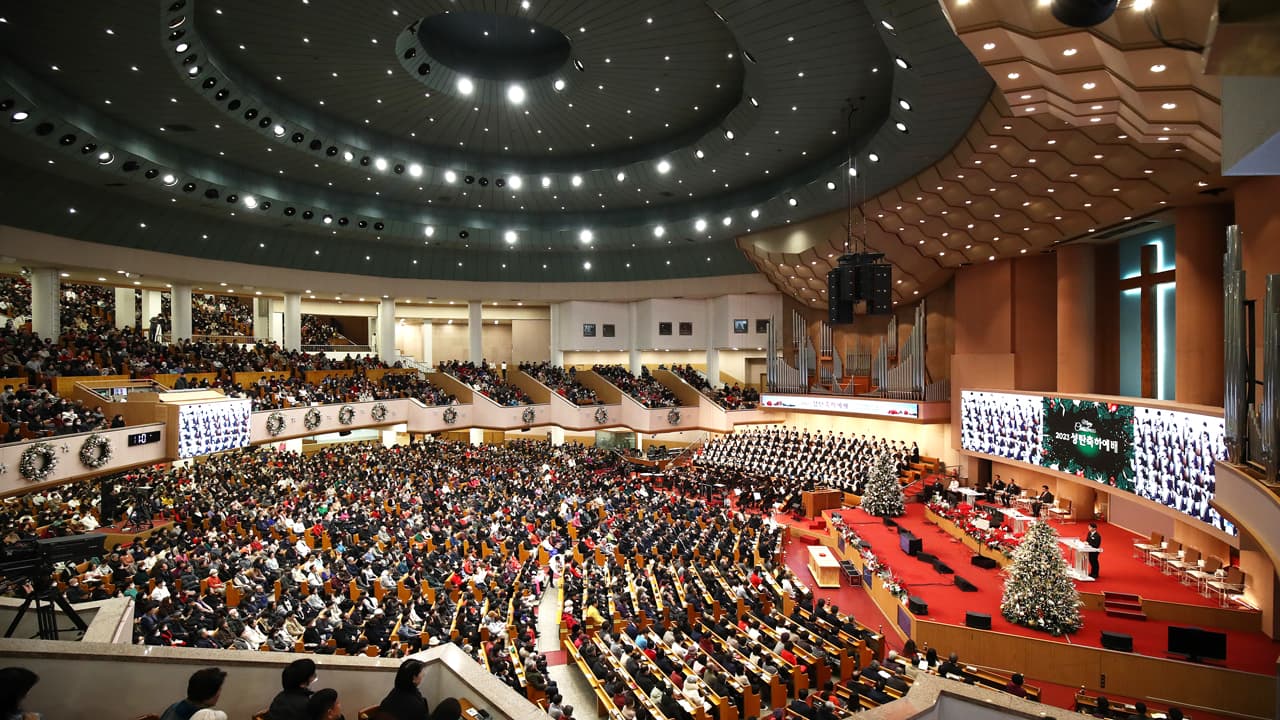
Two South Korean megachurches are investigating suspected cyberattacks that may have exposed personal data of hundreds of thousands of members.
Reuters reported that McDonald’s pricing engine uses machine-learning algorithms to continually analyze data from millions of daily transactions across its nearly 14,000 restaurants.
NYU Professor Emeritus Gary Marcus warns AI will cause loss of life, saying the White House's self-policing approach leaves infrastructure vulnerable.
A shocking clip of a senior Democratic lawmaker admitting he’s clueless about AI – declaring, “I didn’t know what that was till about a week ago” – is resurfacing as the debate on artificial intelligence heats up across the country.
The company said the campus will house ‘back-of-house operations’ as Yamaha moves to Georgia.
Democratic Congressional Candidate Blake Gendebien campaigned in Ogdensburg Friday.
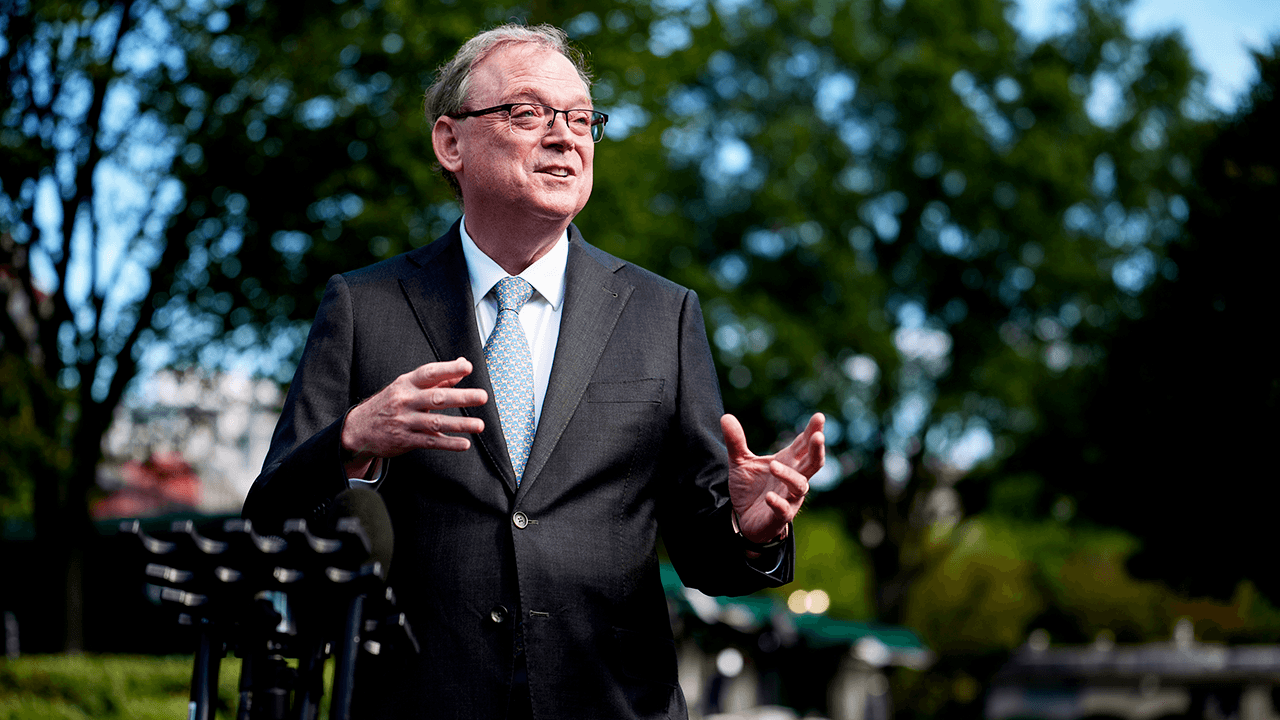
White House National Economic Council Director Kevin Hassett detailed the effort to urge European allies to release refined diesel reserves to ease fuel prices.
Goldman Sachs discusses why conflict resolution and capital structure decisions are vital for family business succession planning long-term.
The fast-casual chain is expanding into airports and military bases while investing in digital tools and restaurant operations to support future growth.
Anthropic is making a massive bet that AI will transform the global economy more profoundly than industrialization, electricity and the internet, according to its IPO prospectus seen by Reuters. The public sale could value the startup at more than $2 trillion.
COO John Waldron is poised to take the reins at Goldman Sachs, a move that would cap David Solomon’s turbulent but highly profitable decade atop the Wall Street powerhouse and trigger a high-stakes leadership shuffle.
Texas Democrat U.S. Senate nominee James Talarico has called St. Andrew’s Presbyterian Church in Austin home since he was two years old. It has been led for 35 years by Rev. Jim Rigby, whom Talarico calls a “mentor,” according to The Christian Post.