

American farmers, who once fed the world, face a volatile global market with diminishing federal backing
This story raises questions about governance, accountability, and American values.
The coverage treats federal backing as the natural solution, as if Washington can insure every farmer against a world that changes fast. That framing skips a harder truth: when support becomes permanent, markets adapt around it, land prices inflate, and the next generation gets locked out. Farmers do face real volatility, much of it driven by trade shocks and foreign competitors who don’t play by the same rules.
New Republican Times Editorial Board
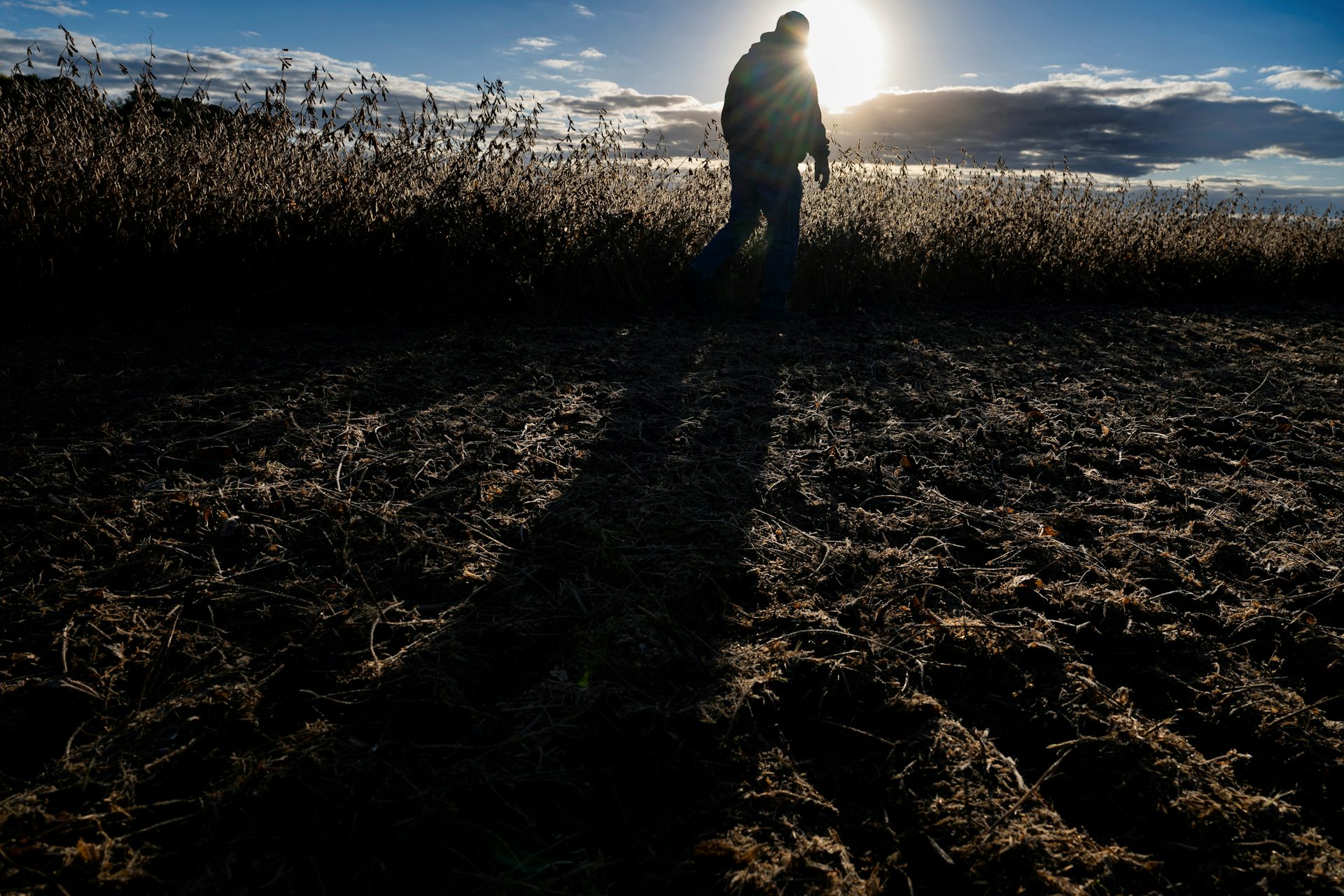
The US government used to have American farmers' backs, but that support has been dwindling for decades. New subsidies signal big changes for farmers.
Original source:
Read at Shelbyville Times-gazetteHow We See It
New Republican Times Editorial Board
The coverage treats federal backing as the natural solution, as if Washington can insure every farmer against a world that changes fast. That framing skips a harder truth: when support becomes permanent, markets adapt around it, land prices inflate, and the next generation gets locked out.
Farmers do face real volatility, much of it driven by trade shocks and foreign competitors who don’t play by the same rules. But more subsidies are not the same as a strategy. Public trust erodes when aid looks like politics, not policy, and fairness matters when small producers watch well-connected operations capture most of the benefit.
A better approach starts with rule of law in trade, strong enforcement against dumping, and national security realism about inputs, energy, and supply chains. The principle at stake is institutional stability: help should be targeted, transparent, and temporary, not a substitute for competitiveness.
Commentary written with AI assistance by the New Republican Times Editorial Board.