

Republicans Must Reclaim Energy Independence With American Fossil Fuels
Conservative principles face implementation challenges as policy meets political complexity.
America’s energy security is wobbling again, and Republicans should say plainly why: Washington keeps treating fossil fuel production like a sin instead of a strategic asset. With prices still punishing families, global supply shocks one headline away, and adversaries richer when we hesitate, this is not the moment for timid half-measures.
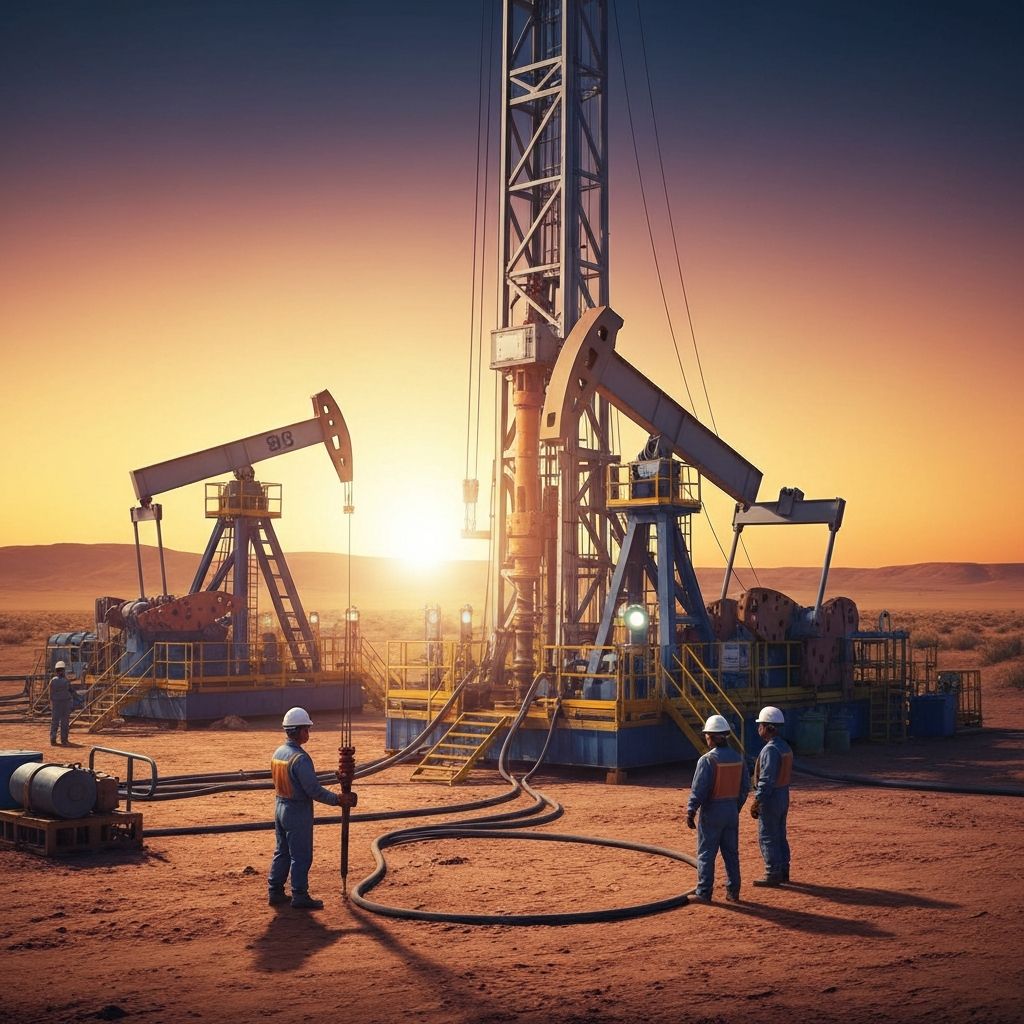
The current development is clear: the administration’s newest five-year offshore leasing program under the Outer Continental Shelf Lands Act remains a slow-walk dressed up as balance. Fewer lease sales, narrower acreage, and endless process mean less investment today and higher costs tomorrow.
Republicans should call it what it is—managed decline—and refuse to let America drift back into dependency.
Energy independence is not a slogan; it is a conservative duty to protect the nation and the household budget. When we produce more here, we send fewer dollars to regimes that hate us, and we keep our factories running. When we restrict American production, we do not reduce global demand—we simply outsource supply to places with weaker labor standards and dirtier emissions.
The Supreme Court keeps reminding Washington that agencies cannot invent sweeping power the voters never granted. In West Virginia v. EPA (2022), the Court rejected attempts to remake the power grid through regulatory shortcuts.
That ruling should be a starting gun for Congress: if we want a durable energy policy, we legislate it—and we prioritize abundant, reliable fuels.
But courts are not enough when permitting is broken by design. The National Environmental Policy Act process has turned into a weapon that well-funded activists use to stop pipelines, LNG terminals, and refinery upgrades for years.
The Fiscal Responsibility Act of 2023 made modest permitting changes, yet the basic problem remains: delay is the point, and the bill is paid by working families.
Republicans should rally around a simple national goal: build and produce so America can supply itself and our allies. That means expanding onshore and offshore leasing, accelerating approvals for LNG export terminals, and restoring predictable access on federal lands. It also means defending the energy workforce—from the rig to the refinery—whose paychecks support towns that Washington too often sneers at.
Drill Here, Sell There
Liquefied natural gas is the cleanest major geopolitical weapon America has, and we should use it. When American LNG displaces coal abroad, emissions drop while allies gain breathing room from Russian and Iranian leverage.
Congress should put the public interest back into export decisions and stop treating every terminal as a moral failing.
Republicans should also demand an end to regulatory games that strangle production after the lease is sold. It is not “free market” when federal agencies sell a lease and then bury the permit under shifting rules, litigation traps, and political delay.
The major questions doctrine is now the law of the land; agencies should not get to smuggle climate legislation through the back door.
The same clarity applies to pipelines. If Washington can approve massive transmission lines for intermittent power, it can approve a pipeline that lowers costs and strengthens reliability.
Congress should set firm timelines for NEPA reviews and limit venue shopping that lets a single court effectively veto national infrastructure.
We also need to be honest about the Strategic Petroleum Reserve. The SPR is for wars and true emergencies, not for papering over policy-driven scarcity. Refilling it should be paired with policies that increase domestic output, not with new restrictions that guarantee the next drawdown.
Prices Are a Family Issue
Energy is not an elite talking point; it is a grocery bill issue. Diesel costs move everything that arrives by truck, and natural gas prices shape home heating and fertilizer. When energy is expensive, inflation becomes a tax on the people who can least afford it.
We are told to accept higher costs now for promised savings later, but American families live in the present. Conservatives do not govern by lecture; we govern by results. Energy independence is the most pro-worker, pro-family climate policy America can enact because it replaces foreign dirt with American strength.
Republicans should reject the false choice between fossil fuels and innovation. We can develop nuclear, invest in next-generation geothermal, and modernize the grid while still producing the oil and gas that keep the lights on today.
The point is reliability—because a nation that cannot power itself cannot defend itself.
A serious conservative agenda should also confront legal uncertainty that freezes capital. Decisions like Sackett v. EPA (2023) narrowed the reach of federal water regulation, but the broader lesson is that clarity matters. When rules are predictable, companies invest, workers build, and projects finish; when rules are politicized, money leaves and jobs vanish.
Congress already has vehicles to act, and it should use them with urgency. The Energy Policy and Conservation Act governs the SPR and gives lawmakers leverage to set clear refill and drawdown rules.
The Outer Continental Shelf Lands Act can be paired with statutory minimum lease sales so administrations cannot quietly starve offshore production.
Republicans should also bring back the discipline of regular order: pass targeted bills that the public can read and understand. One bill should streamline NEPA with hard deadlines and page limits, and another should accelerate approvals for LNG terminals and pipeline rights-of-way. If the Senate blocks them, force the issue—make every “no” a vote for higher prices and foreign dependence.
The next step is political as much as legislative. Republican governors, attorneys general, and members of Congress should coordinate to defend lawful leasing and permitting in court, and to challenge unlawful agency overreach. Make energy independence a defining plank in 2026 campaigns, not a footnote behind cultural fights.
Republicans should act now: pass permitting reform with teeth, mandate robust lease sales onshore and offshore, greenlight LNG exports, and defend the workers who make American energy possible. Then make the case to voters without apology—because in a dangerous world, energy abundance is national strength. If we want a freer, safer, cheaper America in 2026 and beyond, we start by producing what we need, right here at home.