Markets are watching the midterms as America’s political divide deepens
This story raises questions about governance, accountability, and American values.
The media’s framing treats the 2026 midterms like a stress test for Wall Street, as if the country’s main job is to keep markets calm. That view reduces voters to a volatility index and implies division is the real problem, rather than the policies and failures driving it. What’s missing is why investors are uneasy in the first place: Washington’s habit of improvising on spending, regulation, and energy.
New Republican Times Editorial Board
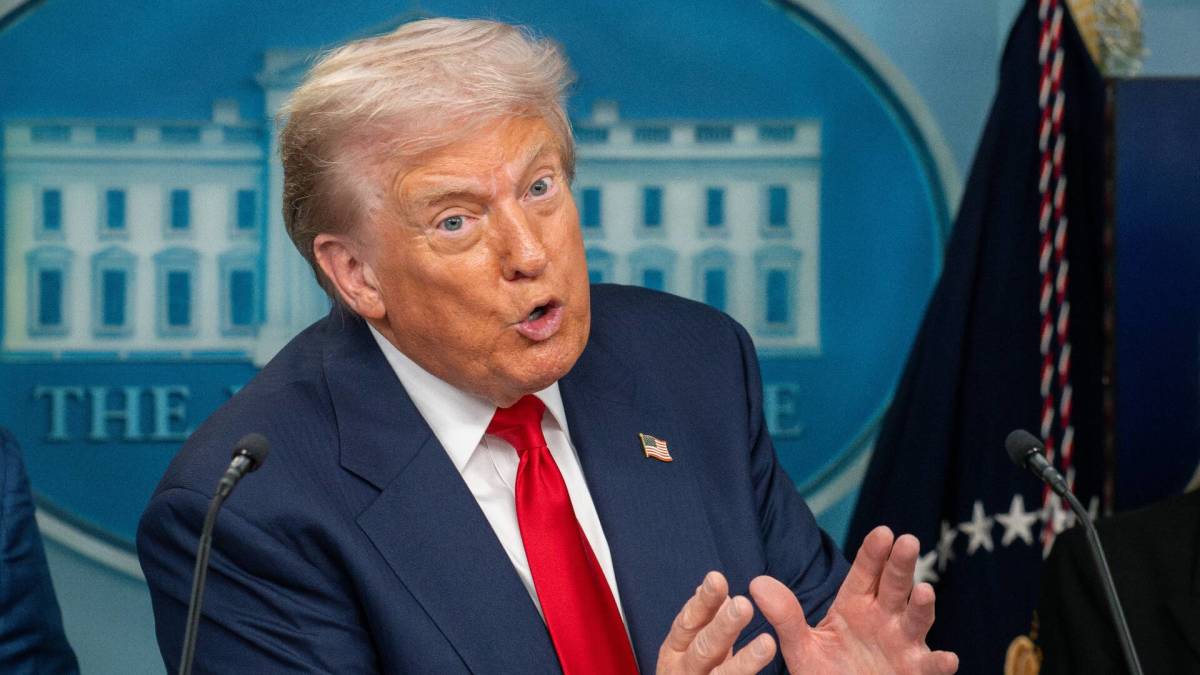
From ideological divides to economic uncertainty, the 2026 midterms could have far-reaching consequences for both markets and governance.
Original source:
Read at ThestreetHow We See It
New Republican Times Editorial Board
The media’s framing treats the 2026 midterms like a stress test for Wall Street, as if the country’s main job is to keep markets calm. That view reduces voters to a volatility index and implies division is the real problem, rather than the policies and failures driving it.
What’s missing is why investors are uneasy in the first place: Washington’s habit of improvising on spending, regulation, and energy. Markets react to uncertainty, but uncertainty is often self-inflicted by leaders who promise stability while rewriting rules midstream.
A conservative lens starts with fiscal discipline, predictable regulation, and energy independence. It also insists on rule of law and public trust, because capital flees when institutions look politicized and enforcement looks selective.
The principle at stake is simple: markets and citizens both need a government that is steady, limited, and accountable, not one that treats elections as a quarterly earnings call.
Commentary written with AI assistance by the New Republican Times Editorial Board.