

A Judge Just Told Trump He Can't Fire His Own Bureaucrats
This story raises questions about governance, accountability, and American values.
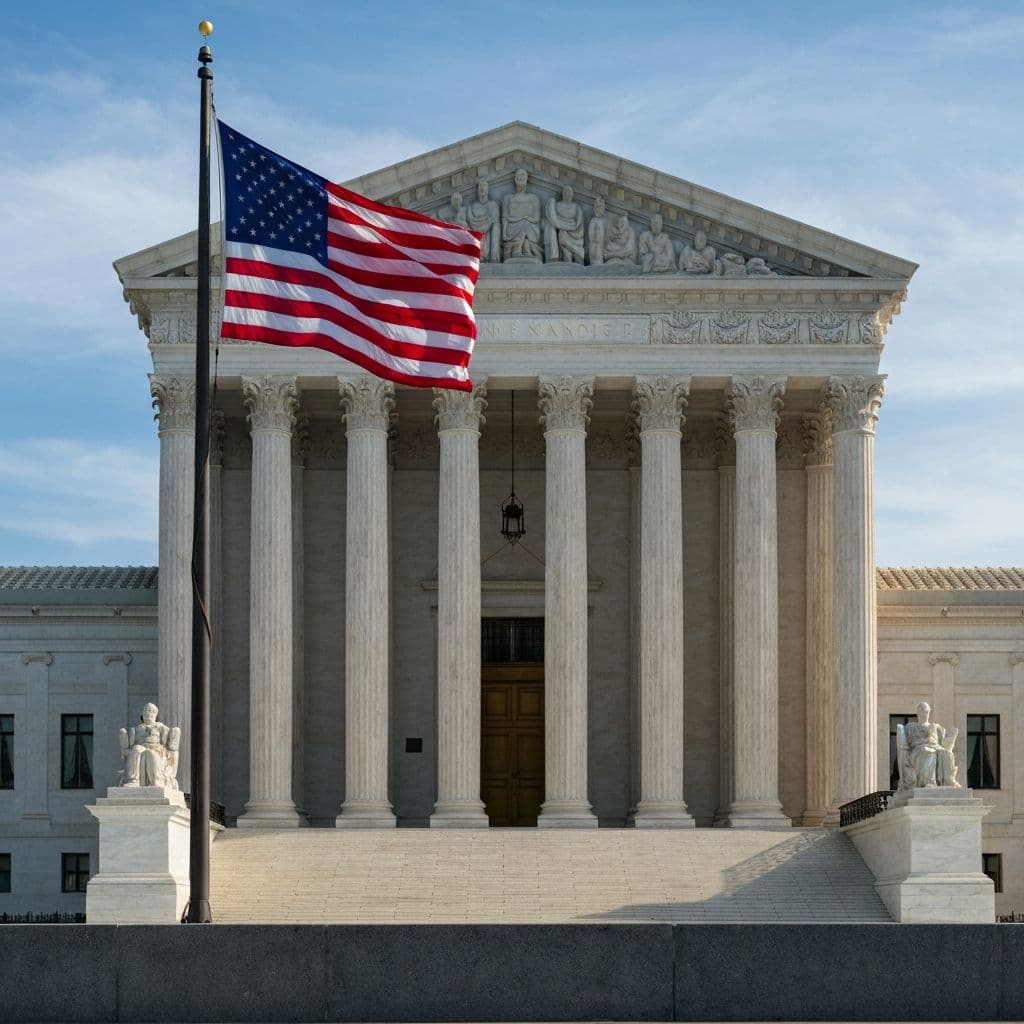
On Thursday, an Obama-appointed federal judge halted President Trump's attempt to remove a federal official, citing a decades-old statute. The ruling was framed, as these rulings always are, as a modest defense of the rule of law. It is nothing of the sort. It is a direct challenge to the president's constitutional removal power, and if it stands, it will make the border unenforceable by turning every resistant bureaucrat into a litigant with a judicial shield.
The standard being invoked is serious. Career civil servants should not be fired for refusing to bend to partisan pressure. The Pendleton Act of 1883 ended the spoils system for good reason. A professional bureaucracy, insulated from political whims, ensures that laws are administered consistently.
That is not a fringe argument. It is a foundational one. But watch how quickly that standard gets abandoned when it becomes inconvenient. The same coalition cheering this ruling has spent years celebrating the administrative state as a check on presidential power.
They defended the Consumer Financial Protection Bureau's unconstitutional structure. They praised agency rulemaking that bypassed Congress. When a Democrat holds the White House, the bureaucracy is a feature. When a Republican does, it is a threat to be handcuffed by a judge. And the same people who now treat a decades-old statute as sacred spent twenty years ignoring the Secure Fence Act of 2006, which mandated hundreds of miles of border barrier. They did not care about the statute then.
The judge's defenders will say this is not about politics. It is about a statute. If Congress passed a law protecting this official, the president must follow it.
The courts are simply doing their job. That defense sounds reasonable until you read the Constitution. Article II vests the executive power in the president alone.
The Take Care Clause requires him to ensure the laws are faithfully executed. The Supreme Court reaffirmed in Seila Law v. CFPB that the removal power is not a suggestion. A statute that blocks the president from removing an officer who refuses his lawful directives is not a shield for the civil service. It is a sword against the presidency. And that is the overlooked implication.
This is not about one bureaucrat. It is about whether 'secure the southern border' is an actual presidential directive or just a campaign slogan. If any ICE or CBP employee who disagrees with the president's immigration policy can run to a federal judge and get a stay, then the border is not secured. It is litigated.
The people telling us the rule of law is at stake are the same ones who spent four years insisting the border was fine. The double standard is not a bug. It is the point. And it will keep happening until the president's removal power is treated as what it is: a constitutional duty, not a bureaucratic inconvenience.