A Massachusetts Lesbian Bar Relaxed Its Masking Rules and
This story raises questions about governance, accountability, and American values.
There comes a point where the story breaks past satire and becomes something else entirely, and this is it. A bar in Greenfield, Massachusetts—a spot with a punk ethos and a rainbow flag—decides to loosen its mask mandate, and the response is to call the owner a eugenicist and hope for a firebombing. It sounds like a cartoon.
New Republican Times Editorial Board
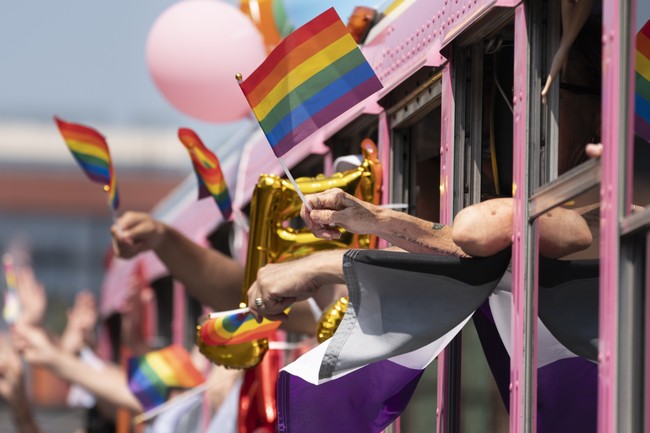
This cannot be real life, but it is: a lesbian bar, Last Ditch Bar and Arts Venue, in Greenfield, Massachusetts, relaxed its masking rules on August 31, and all hell broke loose. You think you’re reading a parody, but no.
The owner was accused of being ableist and, at worst, a pure eugenicist. Some hoped the establishment would be firebombed for putting the immunocompromised at risk. The online mob beat down the bar into issuing an apology, but that poured more fuel on the fire.
Why? Because it didn’t provide a way for the visually impaired to read it — I’m not kidding.
Original source:
Read at TownhallHow We See It
New Republican Times Editorial Board
There comes a point where the story breaks past satire and becomes something else entirely, and this is it. A bar in Greenfield, Massachusetts—a spot with a punk ethos and a rainbow flag—decides to loosen its mask mandate, and the response is to call the owner a eugenicist and hope for a firebombing. It sounds like a cartoon. But it’s real, and it tells you everything about the current temperature of a certain kind of online politics, where the only acceptable position is total and absolute compliance, no matter how arbitrary the rule.
The apology is where the story gets its teeth. The owner caved, wrote a statement, and the mob simply moved the goalposts. The apology didn’t have a version for the visually impaired, so it was unacceptable. The goalposts are always moving. You cannot appease this crowd because the point was never the masking policy or even the safety of patrons. The point was the feeling of power that comes from bossing around a small business owner and watching them grovel. It is a grim spectator sport for people who have confused social media engagement with real-world consequence.
We have watched this progression for a while now. It started with actual public health policy, where reasonable people could debate hospital capacity and community spread. It has devolved into a demand for total submission in every corner of life, from the way we speak to the way we eat a hamburger. The pandemic is over; the panic remains. And here, the panic isn’t about a virus—it’s about a political identity. Being for "community care" means performing endless virtue, and anyone who steps out of line, even to run a cash-strapped venue, is treated as a mortal enemy.
The real victim here isn't a political ideology; it's the idea of a local bar. We talk about wanting third places and community hubs, but the people screaming "ableist" at a struggling venue in Greenfield are doing more to kill local nightlife than any developer ever could. They are making the cost of opening your doors—and letting people live their lives—so high that no one in their right mind would bother. They are burning down the neighborhood joint to save it. And they can’t hear how ridiculous they sound. That’s the tragedy.
Commentary written with AI assistance by the New Republican Times Editorial Board.