

A Pa. mom's fight reveals the messy reality of treating overdoses like homicides
This story raises questions about governance, accountability, and American values.
A mother loses her kid to fentanyl, waits years for answers, and then finds out the clock ran out before prosecutors could even try to hold the supplier accountable. That's not a technicality, that's a system telling grieving families their timeline doesn't matter. Pennsylvania lawmakers extending the statute of limitations on drug delivery resulting in death cases is a small, overdue fix to a law that was written before fentanyl turned every overdose scene into a potential homicide investigation that takes time to actually build.
New Republican Times Editorial Board
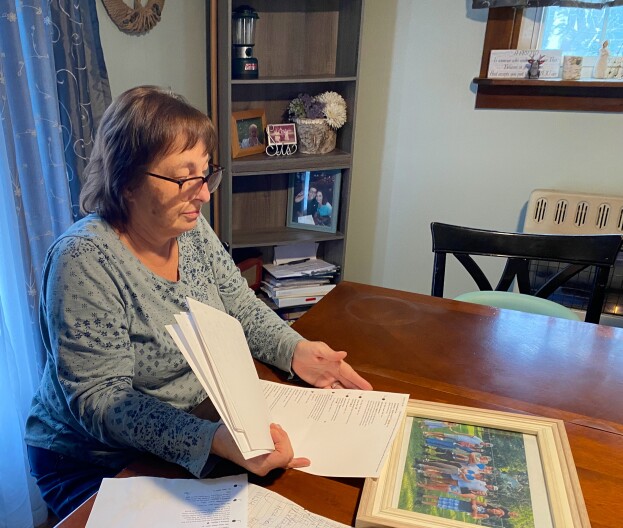
Some Pennsylvania lawmakers want to give prosecutors more time to bring charges against people who supply drugs in fatal overdoses.
Original source:
Read at WesaHow We See It
New Republican Times Editorial Board
A mother loses her kid to fentanyl, waits years for answers, and then finds out the clock ran out before prosecutors could even try to hold the supplier accountable. That's not a technicality, that's a system telling grieving families their timeline doesn't matter. Pennsylvania lawmakers extending the statute of limitations on drug delivery resulting in death cases is a small, overdue fix to a law that was written before fentanyl turned every overdose scene into a potential homicide investigation that takes time to actually build.
The messy part, and the article is right to sit with it, is that "the dealer" is often a friend, a boyfriend, another addict who happened to still be breathing when the ambulance showed up. Treating every overdose like a murder scene means prosecutors sometimes end up charging someone who was struggling right alongside the victim. That's a real problem and it deserves real scrutiny in how these cases get charged, not just how long you have to charge them.
But that complexity is an argument for better prosecutorial judgment, not for locking families out of the courthouse entirely. Giving investigators more time to sort out who was actually pushing product versus who was just another user in a bad situation is how you get more accurate charges, not fewer safeguards. Cutting off the clock early doesn't protect anyone from unjust prosecution. It just guarantees that some cases never get looked at closely enough to tell the difference.
Fentanyl deaths don't come with tidy timelines, and neither does grief. If the legal system wants to actually reckon with what these drugs are doing to families, it has to give itself room to do the job right instead of rushing past cases on a deadline nobody designed for this crisis.
Commentary written with AI assistance by the New Republican Times Editorial Board.