

Accused NC killer mom plans insanity defense — as retired judge says more may follow Lindsay Clancy strategy
This story raises questions about governance, accountability, and American values.
A retired judge is already predicting a trend, and that alone tells you something about where this is headed. Andrea Faust's lawyers are borrowing the Lindsay Clancy playbook almost word for word: postpartum psychosis, temporary insanity, a mother who by every account loved her child until the moment she didn't. Juries are sympathetic to that story because it sounds plausible and because nobody wants to believe a mother did this with a clear head.
New Republican Times Editorial Board
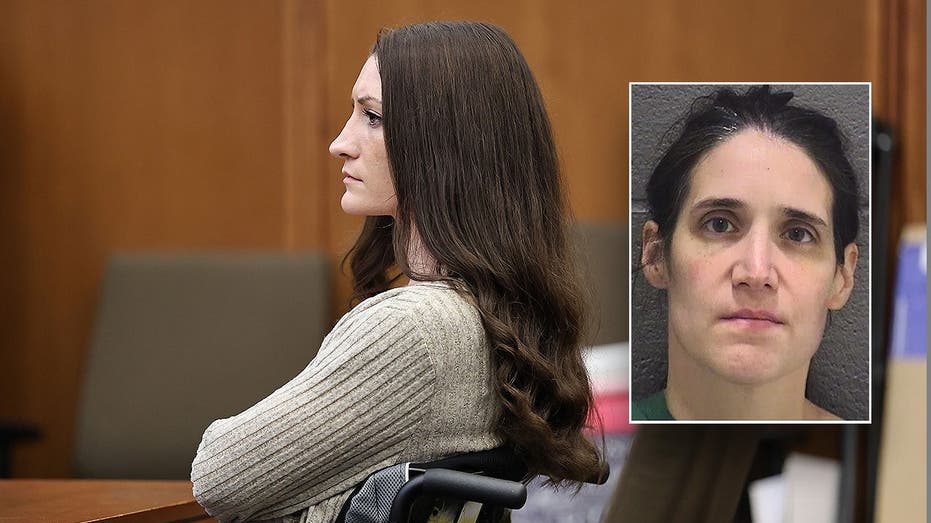
Andrea Faust's insanity defense in her son's killing draws direct parallels to Lindsay Clancy's postpartum psychosis case as jurors deliberate.
Original source:
Read at Fox NewsHow We See It
New Republican Times Editorial Board
A retired judge is already predicting a trend, and that alone tells you something about where this is headed. Andrea Faust's lawyers are borrowing the Lindsay Clancy playbook almost word for word: postpartum psychosis, temporary insanity, a mother who by every account loved her child until the moment she didn't. Juries are sympathetic to that story because it sounds plausible and because nobody wants to believe a mother did this with a clear head. But plausible isn't the same as proven, and when a legal strategy starts getting reused case to case like a template, it stops looking like an individual defense and starts looking like a formula.
That's the uncomfortable part nobody wants to say out loud. If Clancy's defense works, it becomes precedent in the court of public opinion even before a verdict lands, and defense attorneys aren't shy about noticing what moves a jury. Postpartum psychosis is real, it's documented, and women genuinely suffer from it. But real illness and legal strategy are two different things, and the more this defense gets repeated, the harder it becomes to tell where one ends and the other begins.
We're not interested in relitigating either case here. What we do think is worth saying is that the justice system isn't supposed to be reactive to whatever narrative worked last time. Every case has to stand on its own facts, its own evidence, its own psychiatric record, not on the momentum of a defense that got traction in Massachusetts. If Faust genuinely suffered psychosis, that deserves real scrutiny, not a shortcut borrowed from someone else's headline. Dead children deserve better than a copy-paste defense, and so does the truth.
Commentary written with AI assistance by the New Republican Times Editorial Board.