

Alabama AG Marshall fires back at USPS mail-ballot order critics: ‘This is about securing elections’
Election integrity questions persist as states navigate federal mandates and voter confidence.
Steve Marshall's argument boils down to something pretty simple: if a ballot shows up after the deadline, it shouldn't count, and the Postal Service should be able to tell us when mail actually moved through the system. That's not a radical position. It's the kind of basic verification most people assume already happens.
New Republican Times Editorial Board
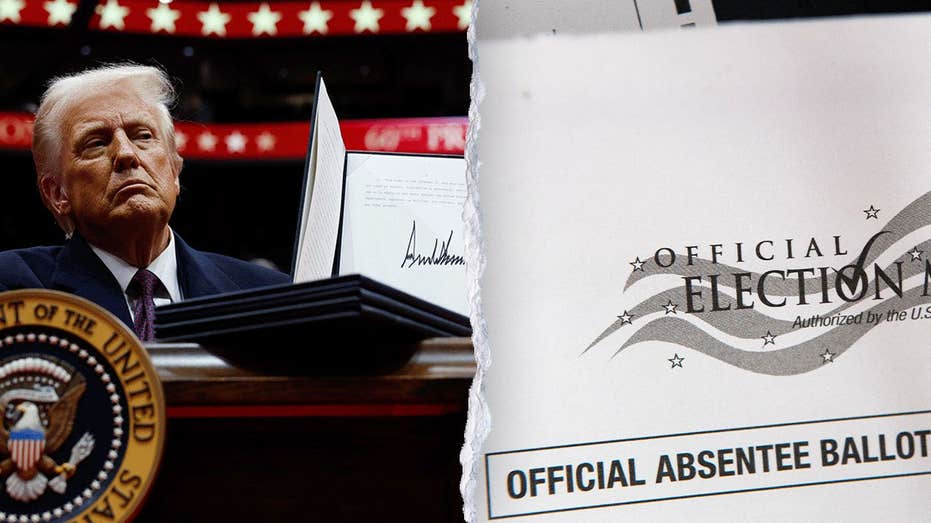
Steve Marshall says Democratic AGs are blocking voter roll audits to obstruct Trump's election integrity executive order ahead of the midterms.
Original source:
Read at Fox NewsHow We See It
New Republican Times Editorial Board
Steve Marshall's argument boils down to something pretty simple: if a ballot shows up after the deadline, it shouldn't count, and the Postal Service should be able to tell us when mail actually moved through the system. That's not a radical position. It's the kind of basic verification most people assume already happens. The fact that a group of Democratic attorneys general are suing to stop it tells you more about their priorities than anything Marshall has said in his defense of the policy.
What's strange is watching this framed as some sinister overreach when the actual mechanics are pretty mundane. USPS tracking data on mail ballots isn't a new surveillance tool, it's postmark information the agency already generates. Using it to confirm ballots arrived within legal windows seems like the least controversial thing an election system could do. If anything, refusing to let officials cross-check that data should raise more eyebrows than requesting it does.
There's a pattern here that voters have noticed for years now. Any effort to tighten verification, whether it's voter ID, roll maintenance, or ballot timing, gets treated as an attack on democracy rather than an attempt to protect it. Marshall isn't wrong to point out the double standard. States conduct audits, universities conduct audits, businesses get audited constantly, and nobody calls that oppression. Elections are the one place where basic accountability keeps getting cast as the threat instead of the safeguard.
None of this requires assuming bad faith about every objection. Reasonable people can debate implementation details. But dressing up a records-verification dispute as some existential fight for voting rights, when what's actually being contested is whether ballots have to arrive on time, stretches credibility past its limit.
Commentary written with AI assistance by the New Republican Times Editorial Board.