

America faces a crisis in our military arsenal that Trump is racing to fix
This story raises questions about governance, accountability, and American values.
Twenty-two point nine billion dollars for Tomahawks, AMRAAMs, and THAAD interceptors isn't a headline number, it's a confession. It's the Pentagon admitting, in contract form, that we spent two decades chasing counterinsurgency wars and let the actual munitions base that deters China and Russia wither down to fumes. You don't sign multi-year deals with Raytheon and Lockheed because things are fine.
New Republican Times Editorial Board
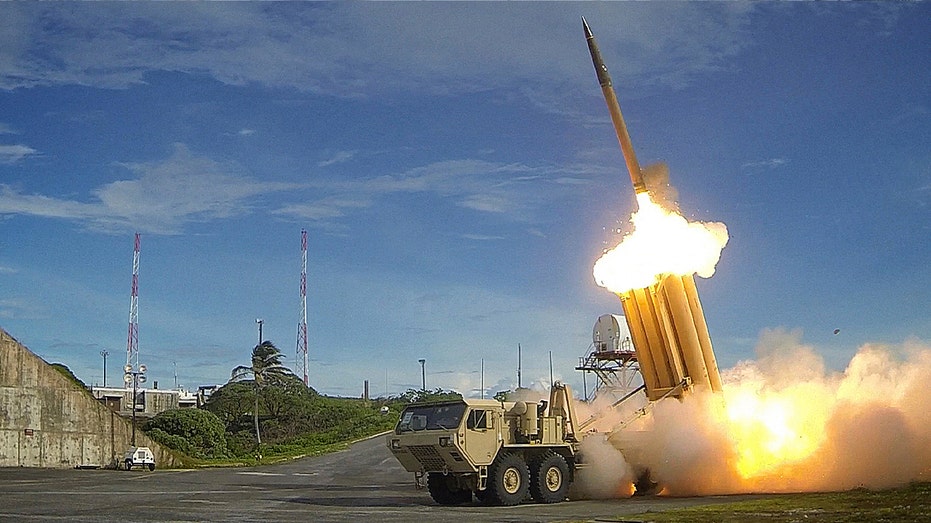
The Pentagon signed $22.9 billion in long-term contracts with Raytheon and Lockheed Martin to massively ramp up Tomahawk, AMRAAM and THAAD production.
Original source:
Read at Fox NewsHow We See It
New Republican Times Editorial Board
Twenty-two point nine billion dollars for Tomahawks, AMRAAMs, and THAAD interceptors isn't a headline number, it's a confession. It's the Pentagon admitting, in contract form, that we spent two decades chasing counterinsurgency wars and let the actual munitions base that deters China and Russia wither down to fumes. You don't sign multi-year deals with Raytheon and Lockheed because things are fine. You sign them because someone finally ran the numbers on how fast we'd burn through interceptor stockpiles in a real fight and didn't like the answer.
The uncomfortable part nobody wants to say out loud is how long this was visible and ignored. Ukraine burned through artillery shells at a rate that shocked planners who should not have been shocked. Israel's THAAD batteries got real-world workouts against Iranian barrages. Every one of those events was a live-fire audit of American production capacity, and the audit kept coming back ugly. It took actual war, not think-tank warnings, to move Washington.
Give credit where it's due: locking in long-term contracts instead of doing one-off emergency buys is the right instinct. Defense contractors don't build new production lines on the promise of maybe getting paid next year: they need certainty to hire welders and expand plants. That's an actual industrial policy decision, not a press release.
But rebuilding a arsenal isn't the same as rebuilding a strategy. Money fixes a shortage; it doesn't fix the thinking that let the shortage happen. If the same assumptions that let this crisis develop stay in place, we'll just be better-stocked for the next slow-motion surprise instead of ready for it.
Commentary written with AI assistance by the New Republican Times Editorial Board.