

America Needs To Declare Independence From China
Strategic competition with Beijing demands clarity on American commitments and economic leverage.
The parallel writes itself, but it's worth sitting with anyway. A British Crown that taxed colonial trade while barring Americans from making their own finished goods, forcing them to ship raw materials home and buy them back at markup, isn't so different from a Beijing that subsidizes its manufacturers, dumps cheap steel and solar panels on our markets, and controls the rare earth minerals our own defense industry needs to function. Two hundred fifty years later, the tool has changed but the tactic hasn't.
New Republican Times Editorial Board
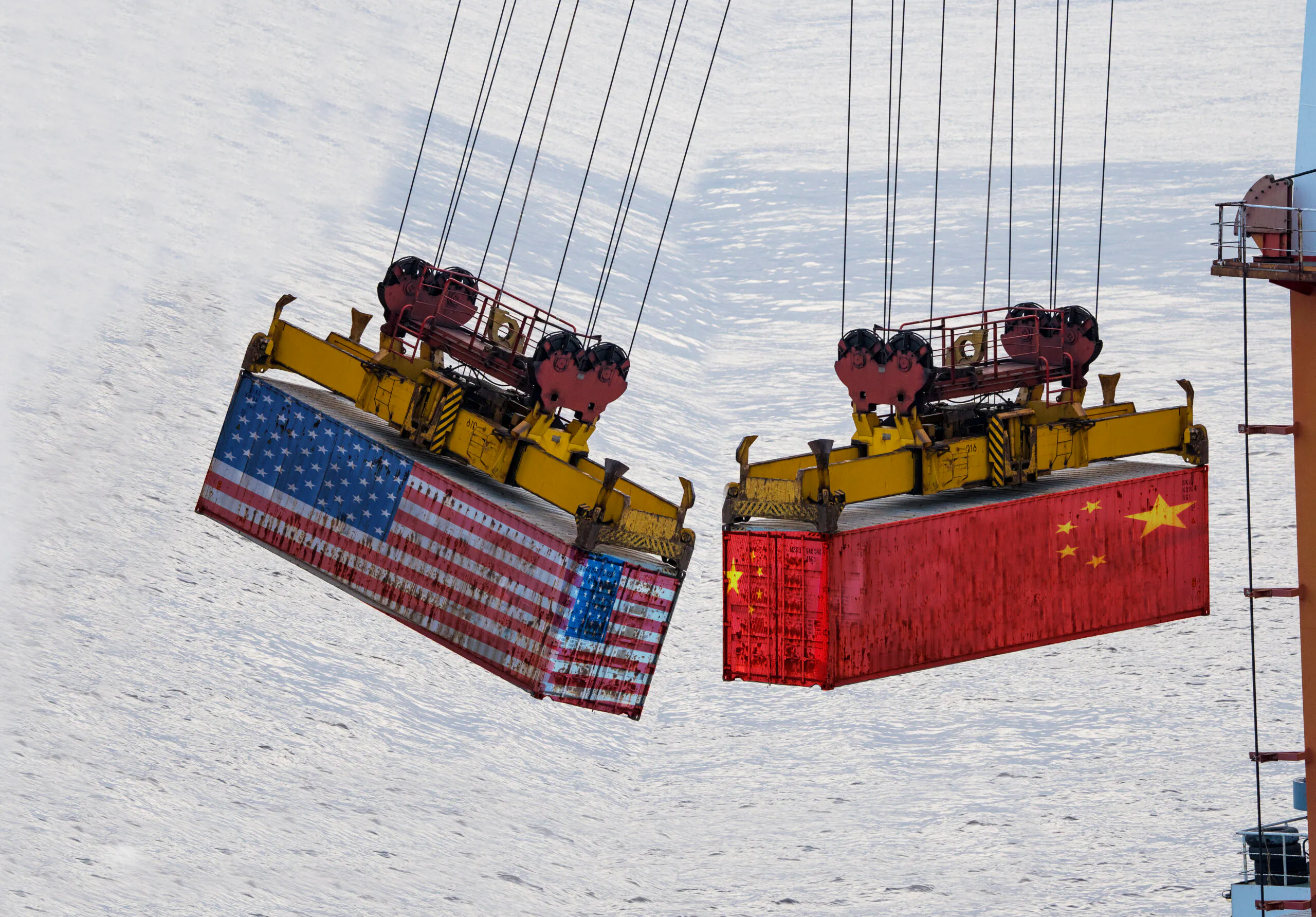
Two hundred and fifty years ago, a ragtag band of farmers, merchants, and thinkers reached a breaking point. The Crown had rigged the rules of trade against them: extracting their resources, flooding their markets with favored goods, blocking their ability to compete on fair terms, and using economic dependency as a tool of political control.
Original source:
Read at Daily WireHow We See It
New Republican Times Editorial Board
The parallel writes itself, but it's worth sitting with anyway. A British Crown that taxed colonial trade while barring Americans from making their own finished goods, forcing them to ship raw materials home and buy them back at markup, isn't so different from a Beijing that subsidizes its manufacturers, dumps cheap steel and solar panels on our markets, and controls the rare earth minerals our own defense industry needs to function. Two hundred fifty years later, the tool has changed but the tactic hasn't. Dependency is still leverage.
What's strange is how long it took Washington to say the quiet part out loud. For two decades, anyone who pointed out that offshoring our manufacturing base to a strategic rival might backfire got waved off as a protectionist or a nostalgic. Meanwhile pharmaceutical ingredients, semiconductor inputs, and the batteries that power everything from phones to missile guidance systems all funneled through Chinese supply chains. That's not free trade. That's outsourcing your leverage to the one country most interested in using it against you.
None of this means tariffs alone fix it, or that decoupling happens overnight without real costs to consumers and businesses that built their models around cheap Chinese inputs. Reshoring critical industries takes years and it takes capital nobody wants to spend until the crisis is already here. But the founders didn't wait for a convenient moment either. They picked the fight when the alternative was permanent dependency, and they accepted the disruption that came with independence because the status quo was worse.
The lesson from 1776 isn't really about muskets or tea parties. It's that a nation that can't make its own goods, control its own supply chains, or say no to a foreign power without economic punishment isn't fully sovereign. We spent thirty years pretending that didn't matter. The bill is coming due now, and pretending otherwise is its own kind of surrender.
Commentary written with AI assistance by the New Republican Times Editorial Board.