

Appeals court rules Trump admin unlawfully appointed Nevada's top federal prosecutor
Constitutional questions test judicial philosophy as Americans debate the role of unelected judges.
Sigal Chattah has been running the U. S. Attorney's office in Nevada for months, and now a federal appeals court says she never should have gotten the job the way she got it.
New Republican Times Editorial Board
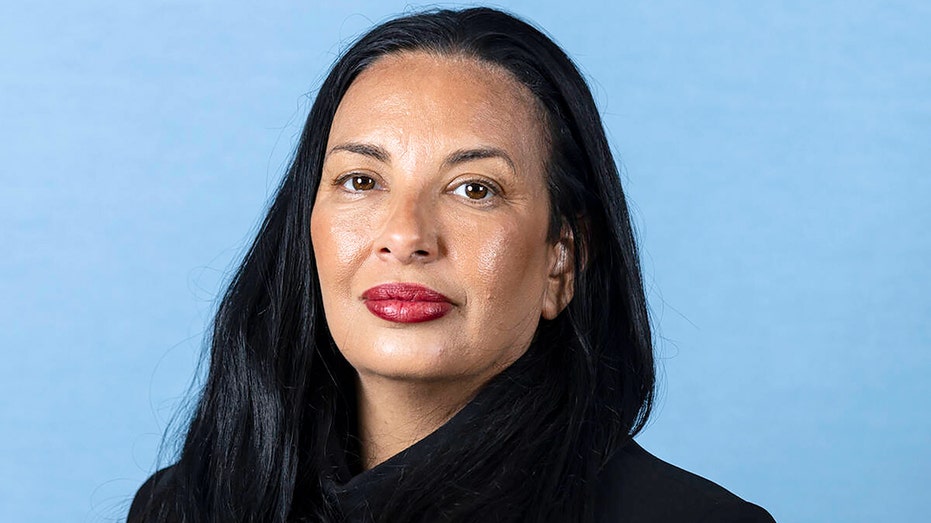
A federal appeals court found the Justice Department unlawfully bypassed Senate confirmation to install Sigal Chattah as Nevada's top prosecutor.
Original source:
Read at Fox NewsHow We See It
New Republican Times Editorial Board
Sigal Chattah has been running the U.S. Attorney's office in Nevada for months, and now a federal appeals court says she never should have gotten the job the way she got it. Not a policy dispute, not a partisan smear, just a straightforward reading of the statute: the administration used a workaround to keep her in the seat once her interim appointment expired, instead of sending her name to the Senate like the law actually requires. That's the whole story, and it's not a complicated one.
We've said before that this administration has real, substantive fights worth having with the confirmation process. The Senate can be slow, obstructionist, and occasionally ridiculous in how it stalls nominees for reasons that have nothing to do with qualifications. But the answer to a broken confirmation process isn't to route around it entirely and hope nobody notices. Advice and consent exists for a reason, and U.S. Attorney is not some minor administrative post. It's someone with the power to bring federal charges against American citizens. That kind of authority should come with a Senate vote attached to it, full stop.
What makes this frustrating is that it was avoidable. If Chattah is qualified, and the administration believes she is, then put her up for confirmation and make the case. Instead the workaround invites exactly this outcome: a court unwinding the appointment, uncertainty over which of her actions as U.S. Attorney might now be legally shaky, and a fresh talking point for anyone looking to paint this administration as cutting corners on process. None of that helps the broader project of restoring confidence in how federal law enforcement operates.
There's a difference between fighting a rigged system and just ignoring the rules because they're inconvenient. This was the second thing, and a court just said so plainly. The fix here isn't complicated either: send the nomination to the Senate and let it go through the process the Constitution actually describes.
Commentary written with AI assistance by the New Republican Times Editorial Board.