

Are Minnesota Prosecutors Ignoring Laws to Charge Police Officers?
Public safety requires backing law enforcement while progressive policies face results-based scrutiny.
Two Minneapolis officers get shot trying to stop a mass shooter, three people end up dead including the gunman, and somehow the headline that follows isn't about the carnage. It's about whether the county attorney's office is bending the law to go after the cops. That ordering of priorities tells you something about where the incentives sit in Minnesota's legal establishment right now.
New Republican Times Editorial Board
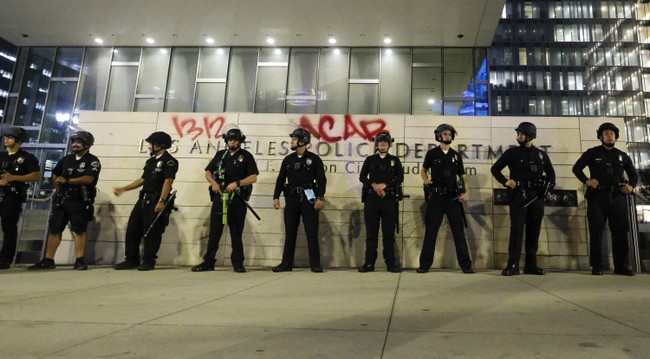
This story is especially important on the heels of a mass shooting in Minneapolis, where two officers were shot and there were multiple civilian casualties, too. Three people, including the gunman, are dead.
Now an attorney is saying Minnesota prosecutors are ignoring the law so they can charge police officers.
Original source:
Read at TownhallHow We See It
New Republican Times Editorial Board
Two Minneapolis officers get shot trying to stop a mass shooter, three people end up dead including the gunman, and somehow the headline that follows isn't about the carnage. It's about whether the county attorney's office is bending the law to go after the cops. That ordering of priorities tells you something about where the incentives sit in Minnesota's legal establishment right now.
We don't know every detail of the underlying case, and the attorney making this claim obviously has a client to defend. But the accusation itself, that prosecutors are stretching statutes to build charges against officers rather than following where the evidence actually leads, is not some fringe theory anymore. It's the kind of thing that keeps surfacing in Hennepin County and around Minneapolis specifically, a jurisdiction that has spent years signaling to its own police force that split-second decisions made under gunfire will be graded with the harshest possible legal standard, applied after the fact by people who were nowhere near the bullets.
That matters beyond this one case. Officers who get shot at, and shot, while trying to stop an active shooter are not abstractions. They're the two people in this story who ran toward danger while everyone else ran from it. If the legal system's reflex afterward is to comb through their conduct for a chargeable mistake before it even finishes accounting for the shooter's, departments will notice, and so will the next generation of recruits deciding whether this job is worth the risk.
None of this means police get a free pass, and nobody serious is arguing that. But a prosecutor's office that's willing to read the law creatively to indict the officers who ran into a mass shooting has some explaining to do, especially in a city that can't currently keep its own shooters off the street to begin with.
Commentary written with AI assistance by the New Republican Times Editorial Board.