

Attorney for lone holdout juror in Lindsay Clancy mistrial pushes
This story raises questions about governance, accountability, and American values.
You can call it a "holdout" if you want, but the man sitting in that jury room had zero doubt. **Zero doubt**. His attorney went on national television and said so, plainly, telling Kayleigh McEnany there was "a mountain of evidence" that Lindsay Clancy was guilty.
New Republican Times Editorial Board
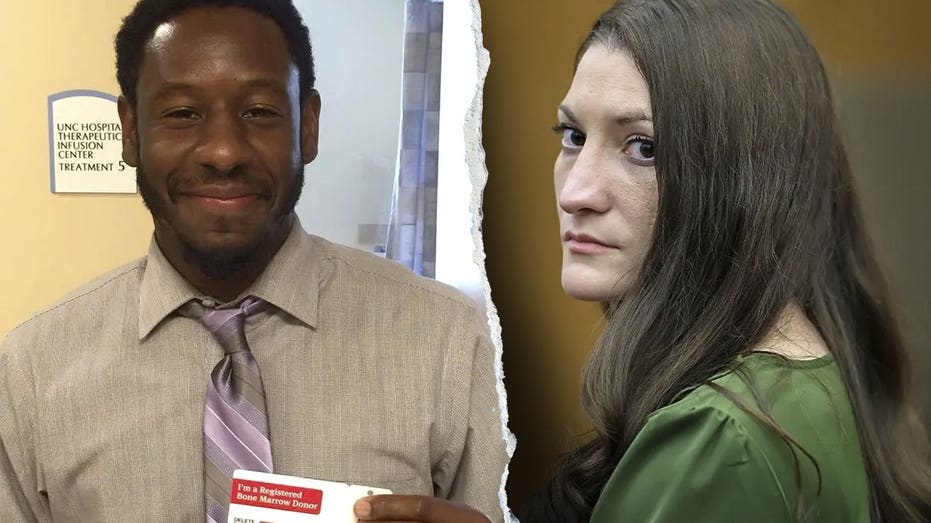
Lindsay Clancy's holdout juror had "zero doubt" about his position, his attorney tells Kayleigh McEnany, citing "a mountain of evidence" for conviction.
Original source:
Read at Fox NewsHow We See It
New Republican Times Editorial Board
You can call it a "holdout" if you want, but the man sitting in that jury room had zero doubt. Zero doubt. His attorney went on national television and said so, plainly, telling Kayleigh McEnany there was "a mountain of evidence" that Lindsay Clancy was guilty. That's not a hung jury. That's one person deciding the other eleven didn't matter. The entire premise of a unanimous verdict is that twelve people can look at the same facts and come to the same conclusion. When one person refuses to even entertain the possibility he's wrong, the system doesn't work—it just stalls.
What's revealing here is how the defense is spinning this. They're not talking about the evidence. They're not talking about what Clancy did. They're talking about the *process*, hoping a mistrial feels like momentum. But a mistrial isn't a win for anyone, least of all the victims' families who now have to do this all over again. The prosecution put on a case that convinced eleven people beyond a reasonable doubt. Eleven. That's not a weak case. That's one stubborn juror holding the justice system hostage to a single, unshakable opinion. The "reasonable doubt" standard exists to protect the innocent, not to give one person a veto over the judgment of everyone else in the room.
We should also note the attorney's framing. He's leaning into the idea that his client saw something the others missed, that he was uniquely principled. But there's a line between principled and obstinate, and this looks a lot more like the latter. We're supposed to believe that a juror who walked in with "zero doubt" was truly deliberating? That's not deliberation. That's a verdict looking for a trial to justify it. That's not justice; that's a deadlock by design. For the families of those three children, this isn't a legal footnote—it's another chapter of torment. The DCEA has a job to do now, and it should do it quickly. Retry the case. Let the evidence speak again. And hope that next time, the process works the way it was meant to—for the victims, not for the person who took their lives.
Commentary written with AI assistance by the New Republican Times Editorial Board.