

BMW recalls nearly 28,000 luxury vehicles over driveshaft flaw that poses rollaway risk
This story raises questions about governance, accountability, and American values.
A car that can roll away on its own without anyone touching it is the kind of detail that should stop you cold, and it's buried in the middle of a press release like it's routine business. Nearly 28,000 BMWs, spanning model years from 2021 all the way to 2026, have a rear differential problem serious enough that the company is calling it a rollaway and crash risk. That's not a squeak in the dashboard.
New Republican Times Editorial Board
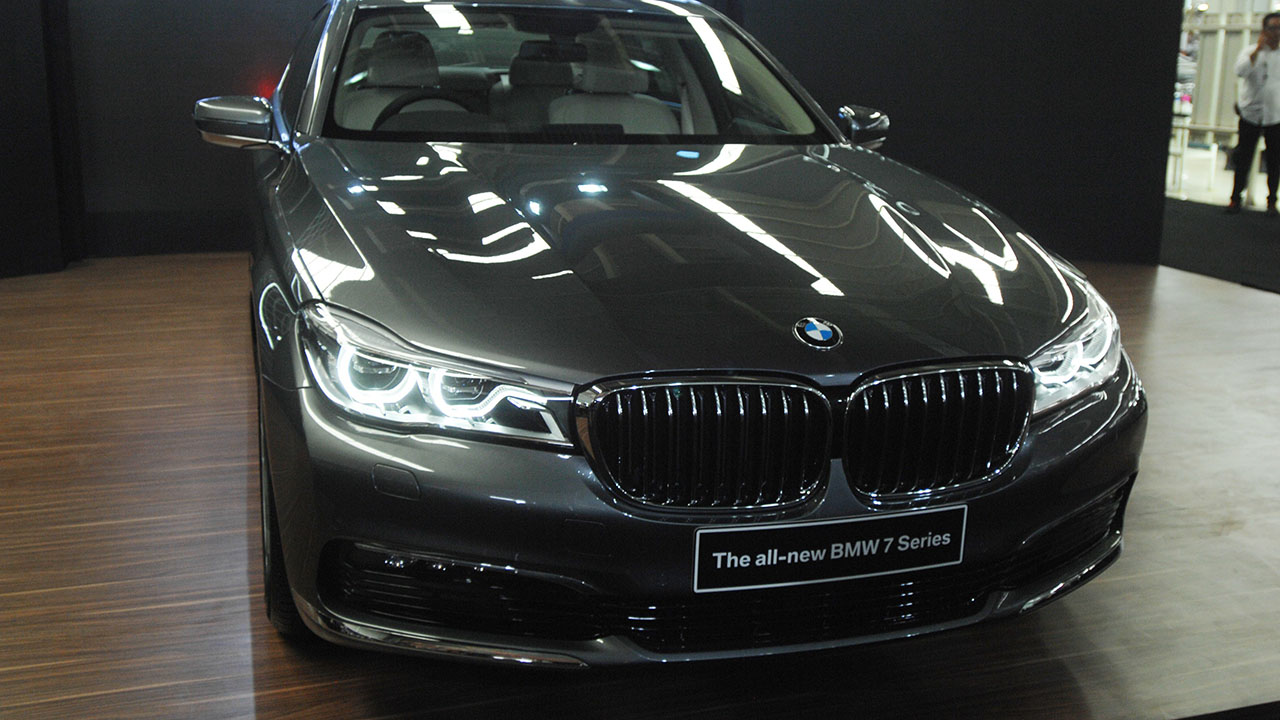
BMW has issued a recall for 27,720 vehicles from 2021-2026 over a rear differential issue that increases crash and rollaway risks. Dealers will provide free repairs.
Original source:
Read at Fox BusinessHow We See It
New Republican Times Editorial Board
A car that can roll away on its own without anyone touching it is the kind of detail that should stop you cold, and it's buried in the middle of a press release like it's routine business. Nearly 28,000 BMWs, spanning model years from 2021 all the way to 2026, have a rear differential problem serious enough that the company is calling it a rollaway and crash risk. That's not a squeak in the dashboard. That's a six-figure luxury sedan potentially moving under its own weight with nobody behind the wheel.
What's worth noting here is how quietly this kind of thing moves through the system. BMW builds its reputation on precision engineering, on being the brand that charges a premium because it supposedly gets the details right. A flaw spanning five model years suggests this wasn't a one-off assembly mistake, it was baked into a design or supplier relationship that nobody caught for a long stretch. Free repairs are the right move, and credit where it's due, but the real story is how long a defect like this can travel through production before anyone flags it.
This is also a reminder that "luxury" is a marketing word, not a safety guarantee. American buyers pay extra for German engineering assuming it buys them fewer surprises, not more. When a car with a six-figure price tag has a defect this basic, it's fair to ask whether the premium is paying for actual quality control or just the badge on the hood.
The recall system worked as it's supposed to here, and that's the one piece of good news. But it shouldn't take a rollaway risk affecting tens of thousands of vehicles across half a decade of production to remind a company that people trust these machines with their lives every single day.
Commentary written with AI assistance by the New Republican Times Editorial Board.