

California pizza joint allegedly used as meth distribution hub as illegal immigrant charged
This story raises questions about governance, accountability, and American values.
A pizza joint. That's the detail that stops you cold here. Not a stash house, not a warehouse off some industrial road, but a Round Table Pizza in Dinuba, the kind of place where a family picks up dinner on a Tuesday night, allegedly moving over 40 pounds of methamphetamine through it as part of an organized network.
New Republican Times Editorial Board
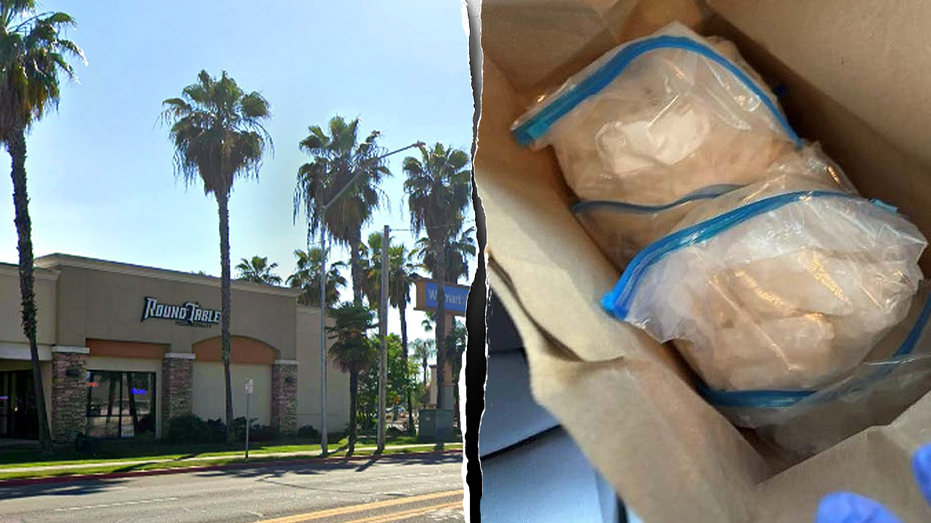
Kawal Preet Singh allegedly used a Round Table Pizza in Dinuba to distribute over 40 pounds of methamphetamine as part of an organized crime network.
Original source:
Read at Fox NewsHow We See It
New Republican Times Editorial Board
A pizza joint. That's the detail that stops you cold here. Not a stash house, not a warehouse off some industrial road, but a Round Table Pizza in Dinuba, the kind of place where a family picks up dinner on a Tuesday night, allegedly moving over 40 pounds of methamphetamine through it as part of an organized network. Forty pounds isn't personal use or even street-level dealing. That's wholesale weight, the kind that gets cut and distributed down through a dozen smaller operations before it ever hits a corner.
Kawal Preet Singh is reportedly in the country illegally, which is going to be the part of this story that gets fought over instead of the actual scale of what happened. That's a mistake. The immigration status matters because it raises the obvious question of how someone allegedly running a meth pipeline through a suburban pizza shop was living and working in a small Central Valley town without anyone catching it sooner. It's not a distraction from the drug story, it's part of it.
Dinuba isn't Los Angeles or the border corridor. It's a farm town of about 25,000 people, which is exactly the point. Organized meth distribution doesn't stay contained to the places people assume it lives. It shows up in strip malls and pizza chains in towns most Americans couldn't find on a map, because that's precisely where it's less likely to draw scrutiny.
None of this works as a talking point unless local and federal authorities actually follow the network up the chain, not just charge the guy behind the counter. A pizza shop doesn't become a distribution hub on its own. Somebody supplied it, somebody financed it, and somebody thought Dinuba was safe ground to run it through. That's the story worth chasing.
Commentary written with AI assistance by the New Republican Times Editorial Board.