

Convicted predators face lifetime barrier under GOP lawmaker’s sweeping victim protection bill
This story raises questions about governance, accountability, and American values.
A bill named after a real victim, passing 435-0, is the kind of story that should make you stop and ask why this wasn't already the law. Kayleigh's Law does something almost embarrassingly basic: if you're convicted of a sex crime or a violent felony, the person you hurt gets a lifetime no-contact order, not a temporary one that expires while you're still capable of finding their address. That such a gap existed at all tells you how much of the justice system is built around the offender's timeline rather than the victim's safety.
New Republican Times Editorial Board
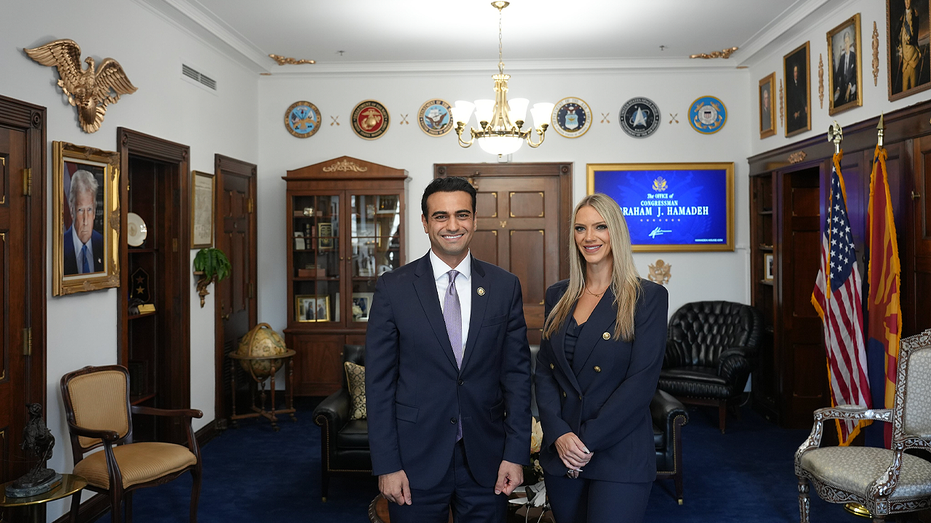
Rep. Abe Hamadeh's, R-Ariz., Kayleigh's Law passed the House unanimously, requiring lifetime no-contact orders for convicted sex crime and violent felony offenders.
Original source:
Read at Fox NewsHow We See It
New Republican Times Editorial Board
A bill named after a real victim, passing 435-0, is the kind of story that should make you stop and ask why this wasn't already the law. Kayleigh's Law does something almost embarrassingly basic: if you're convicted of a sex crime or a violent felony, the person you hurt gets a lifetime no-contact order, not a temporary one that expires while you're still capable of finding their address. That such a gap existed at all tells you how much of the justice system is built around the offender's timeline rather than the victim's safety.
What's notable here isn't just the policy, it's the unanimity. In a Congress that can't agree on what day it is, this cleared the House without a single no vote. That doesn't happen by accident. It happens when a bill is written narrowly enough, and honestly enough, that nobody can hide behind a talking point to oppose it. Credit to Hamadeh for putting a name and a face on it instead of letting it die as another generic "victims' rights" bucket bill.
Still, it's worth noting how long it took to get something this obvious across the finish line. No-contact orders that quietly expire, paperwork that lapses, offenders who track down the people who put them away — these aren't hypotheticals, they're patterns that show up in case after case because the system defaults to leniency once a sentence is served. A law like this doesn't fix sentencing or parole or any of the bigger arguments. It just closes one specific door that never should have been left open.
The real test now is the Senate, and then enforcement. A unanimous House vote means nothing to a survivor if the order isn't tracked, updated across state lines, or actually acted on when it's violated. Passing a good law is the easy part; making it mean something is the job that comes next..
Commentary written with AI assistance by the New Republican Times Editorial Board.