

Could Africa be the next AI frontier as US and Europe hit limits?
This story raises questions about governance, accountability, and American values.
A $6. 2 billion hydropower-plus-computing project in Lesotho is not the kind of headline most Americans see and think, “That’s about us. ” It is, though.
New Republican Times Editorial Board
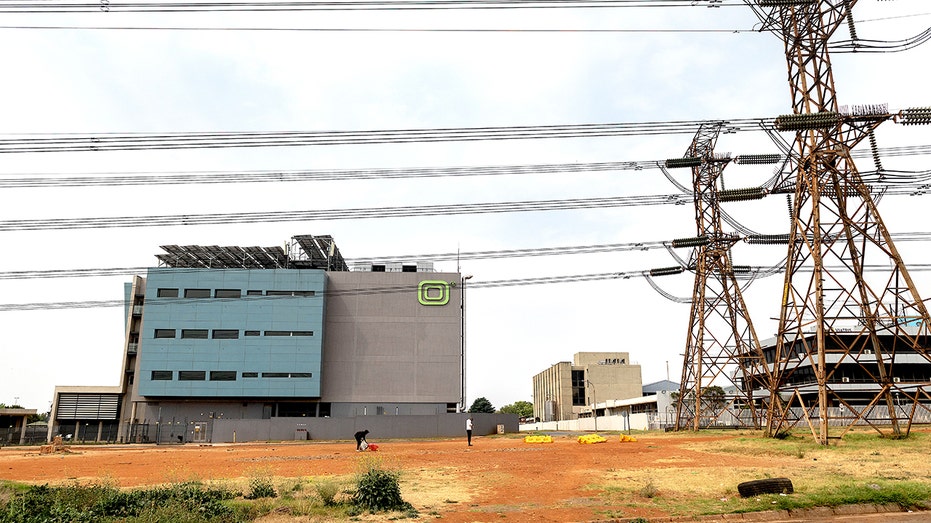
U.S. companies are winning massive data center and AI deals across Africa, including a $6.2 billion project in Lesotho for hydropower and computing.
Original source:
Read at Fox NewsHow We See It
New Republican Times Editorial Board
A $6.2 billion hydropower-plus-computing project in Lesotho is not the kind of headline most Americans see and think, “That’s about us.” It is, though. When U.S. companies are landing big data center and AI deals across Africa, that is a real answer to the hand-wringing about America “hitting limits” at home. If the constraints in the U.S. and Europe are power, permits, land, and local politics, then of course the next build-out happens where governments are eager, grids can be expanded, and the timeline is faster. AI runs on electricity and concrete, not just clever code.
But there’s a catch, and it’s not hard to spot. Africa does not need to become the world’s server closet while its own citizens get the leftovers. Hydropower tied to computing can be a win if it strengthens the local grid, lowers energy costs, and creates a real skilled workforce. It can also be a raw deal if it turns into a shiny enclave: guarded data halls, exported profits, and communities still dealing with unreliable power. Don’t sell “development” and deliver a fenced-off campus.
We also shouldn’t be naive about the strategic side. If American firms don’t show up with serious, long-term offers, China will, and it won’t come with gentle terms. The answer isn’t to pretend Africa is someone else’s sphere or to bury deals under a mountain of U.S. process. It’s to compete and to be the better partner, with clear contracts, transparent financing, and local benefits that aren’t just press-release filler. This is a supply chain and security story, not a charity story.
For the U.S., the lesson is awkward but useful: if we can only build the next wave of AI infrastructure by going abroad, we should ask why. Permitting reform, reliable baseload power, and a grid that can actually scale should be part of an America First agenda, not an afterthought. In the meantime, if U.S. companies are going to build in places like Lesotho, we want them winning, and we want those wins to hold up in daylight. That’s how you make “frontier” mean progress, not exploitation.
Commentary written with AI assistance by the New Republican Times Editorial Board.