

Democrats turn on congressional hopeful after 'hiding' LGBTQ+ views from Muslim voters
Progressive policy ambitions meet practical realities as Americans weigh costs and consequences.
So a Democratic congressional candidate in Washington state got caught quietly scrubbing LGBTQ+ rights off her campaign website because she was worried it would cost her votes with Muslim constituents. Not a Republican opponent's opposition research dump, not a conservative attack ad. This came from her own party, from her own base, once the story got out.
New Republican Times Editorial Board
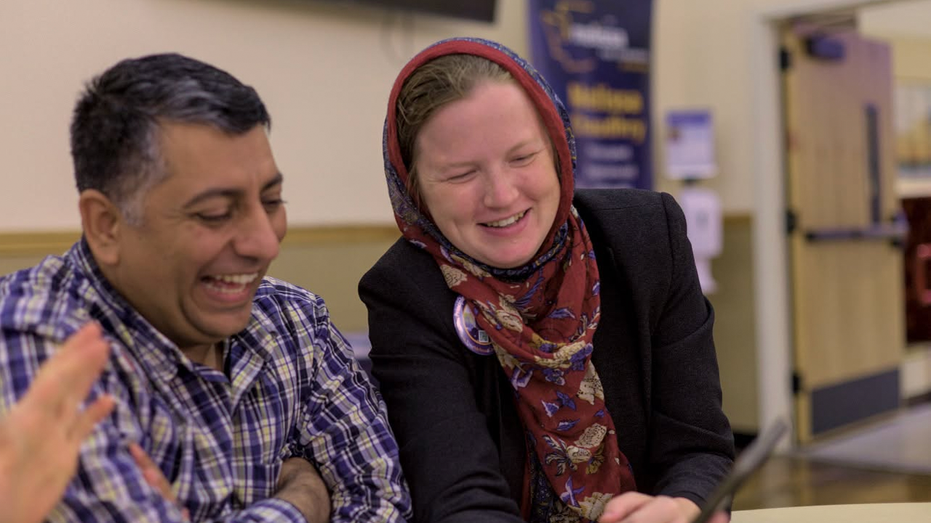
Melissa Chaudhry reportedly said she left LGBTQ+ rights off her website to avoid alienating Muslim voters, sparking a revolt from Washington state Democrats.
Original source:
Read at Fox NewsHow We See It
New Republican Times Editorial Board
So a Democratic congressional candidate in Washington state got caught quietly scrubbing LGBTQ+ rights off her campaign website because she was worried it would cost her votes with Muslim constituents. Not a Republican opponent's opposition research dump, not a conservative attack ad. This came from her own party, from her own base, once the story got out. That tells you something about how brittle this coalition actually is when it has to choose between two groups it claims to champion equally.
Chaudhry's calculation was pretty simple and pretty cynical: say what one audience wants to hear, hide what another audience might not like, and hope nobody cross-references the two. That's not conviction, that's targeting. Politicians triangulate all the time, sure, but this wasn't shading a policy position, it was deleting an entire category of identity politics because it was inconvenient in front of a specific crowd. If you can't hold your position steady for the length of a website, you don't really have a position.
What's telling is the reaction. Democrats built a coalition on the promise that every group inside it gets full-throated advocacy, no asterisks. Chaudhry's move exposed the fiction that those commitments are universal rather than situational. Her own party's revolt isn't really about her, it's about what happens when the math of coalition politics runs into the marketing of coalition politics and they don't match.
We'd just note that voters generally don't love finding out a candidate edited herself for their benefit, whichever group they happen to be in. Muslim voters didn't ask to be used as the reason a stance disappeared. LGBTQ+ voters didn't appreciate being the stance that got quietly disappeared. Everybody in this story got played a little, and that's the part that should actually bother people, not just the political optics of getting caught.
Commentary written with AI assistance by the New Republican Times Editorial Board.