

Did Abdul El-Sayed Really Just Compare Himself to This Religious Figure?
Progressive policy ambitions meet practical realities as Americans weigh costs and consequences.
When a Senate campaign starts reaching for religious analogies to explain itself, you know somebody in the war room is panicking. Abdul El-Sayed comparing himself to a prophet isn't the move of a candidate who feels good about where his numbers are. It's the move of someone flailing for a narrative because the actual campaign isn't landing.
New Republican Times Editorial Board
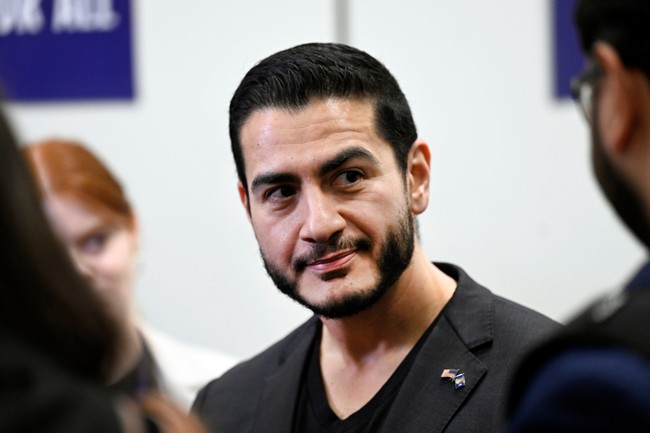
The Abdul El-Sayed campaign is an object lesson in being in over your head. Between trying to pick fights with Mike Rogers and pandering to Jewish or black voters, it's clear that internal polling must not be good.
Democrats are even campaigning for Rogers, and Jewish groups are holding fundraisers for Rogers, too.
Original source:
Read at TownhallHow We See It
New Republican Times Editorial Board
When a Senate campaign starts reaching for religious analogies to explain itself, you know somebody in the war room is panicking. Abdul El-Sayed comparing himself to a prophet isn't the move of a candidate who feels good about where his numbers are. It's the move of someone flailing for a narrative because the actual campaign isn't landing.
Look at the pattern here. Picking public fights with Mike Rogers. Rotating through appeals to Jewish voters one week and black voters the next, depending on which group he thinks he can still peel off. That's not message discipline, that's message desperation. Campaigns that are ahead don't behave like this. They stay on message and let the other guy flail. El-Sayed's team is doing the flailing.
And the tell isn't just what his campaign is doing, it's what everyone else is doing around him. Democrats quietly showing up to campaign for Rogers. Jewish groups holding fundraisers for the Republican in the race. That's not noise. That's a signal that even people who'd normally be expected to fall in line with the Democratic nominee don't trust this candidate to represent them, and aren't willing to pretend otherwise for the sake of party unity.
None of this means the race is decided. But when a candidate starts grasping for prophetic comparisons instead of talking about jobs, prices, or the border, he's telling you something about his own internal polling that no press release ever will.
Commentary written with AI assistance by the New Republican Times Editorial Board.