

DOJ sues Kansas school district over ‘secret gender transitions’ in first-of-its-kind lawsuit
Parents assert authority over curriculum as education policy becomes a defining cultural battleground.
A school district policy that lets a kid change names, pronouns, even bathrooms during the school day, and then instructs staff not to mention it to mom and dad, is not some gray area of educational philosophy. It's a decision by adults to cut parents out of one of the most consequential things happening in their child's life. Kansas City Public Schools didn't hide this.
New Republican Times Editorial Board
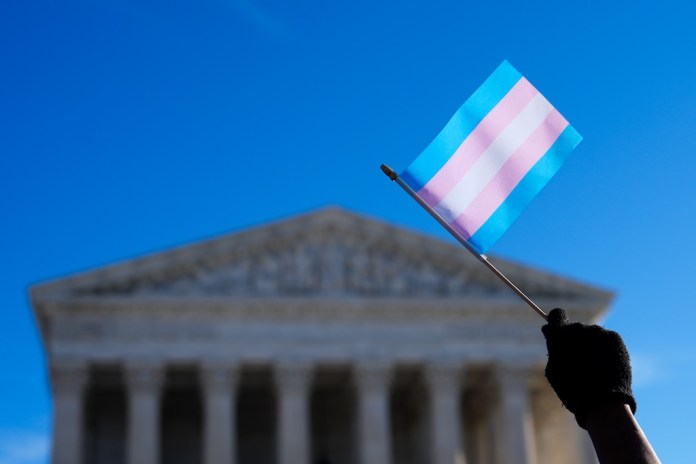
The Trump administration filed a novel lawsuit in Kansas on Tuesday, accusing Kansas City Public Schools of allowing a policy to stand that, if implemented, would allow children to “socially transition” at school to a gender identity other than their biological sex while withholding that information from parents.
The Justice Department called the case a […]
Original source:
Read at Washington ExaminerHow We See It
New Republican Times Editorial Board
A school district policy that lets a kid change names, pronouns, even bathrooms during the school day, and then instructs staff not to mention it to mom and dad, is not some gray area of educational philosophy. It's a decision by adults to cut parents out of one of the most consequential things happening in their child's life. Kansas City Public Schools didn't hide this. The policy is written down. That's what makes the DOJ's lawsuit interesting: this isn't a case built on inference or anonymous complaints, it's built on the district's own paperwork.
Supporters of these policies usually argue they're protecting kids from unsupportive homes. Maybe some homes are unsupportive. But that's an argument for handling hard family situations with more care and more people at the table, not fewer. A school counselor deciding unilaterally that a nine-year-old's parents don't get to know what name their child is going by at recess is not a safety net. It's a judgment call made by someone who isn't the parent, about someone else's kid, kept quiet on purpose.
What's genuinely new here is the legal theory: the DOJ isn't just arguing this is bad policy, it's arguing it violates parents' constitutional rights to direct the upbringing of their children. If that holds up, it gives families in dozens of similar districts around the country something concrete to point to in court, not just a policy debate they keep losing at school board meetings.
Whatever a school thinks the "right" answer is on gender identity, the idea that a public institution can keep secrets from parents about their own children should bother people well outside any one political camp. This case is going to be watched closely, and it should be.
Commentary written with AI assistance by the New Republican Times Editorial Board.