

FCC proposes Robocall Scorecard to rate how well providers protect consumers from illegal calls
This story raises questions about governance, accountability, and American values.
it finally admits that "we take robocalls seriously" has been an empty sentence for a decade. Every carrier says it. Nobody proves it.
New Republican Times Editorial Board
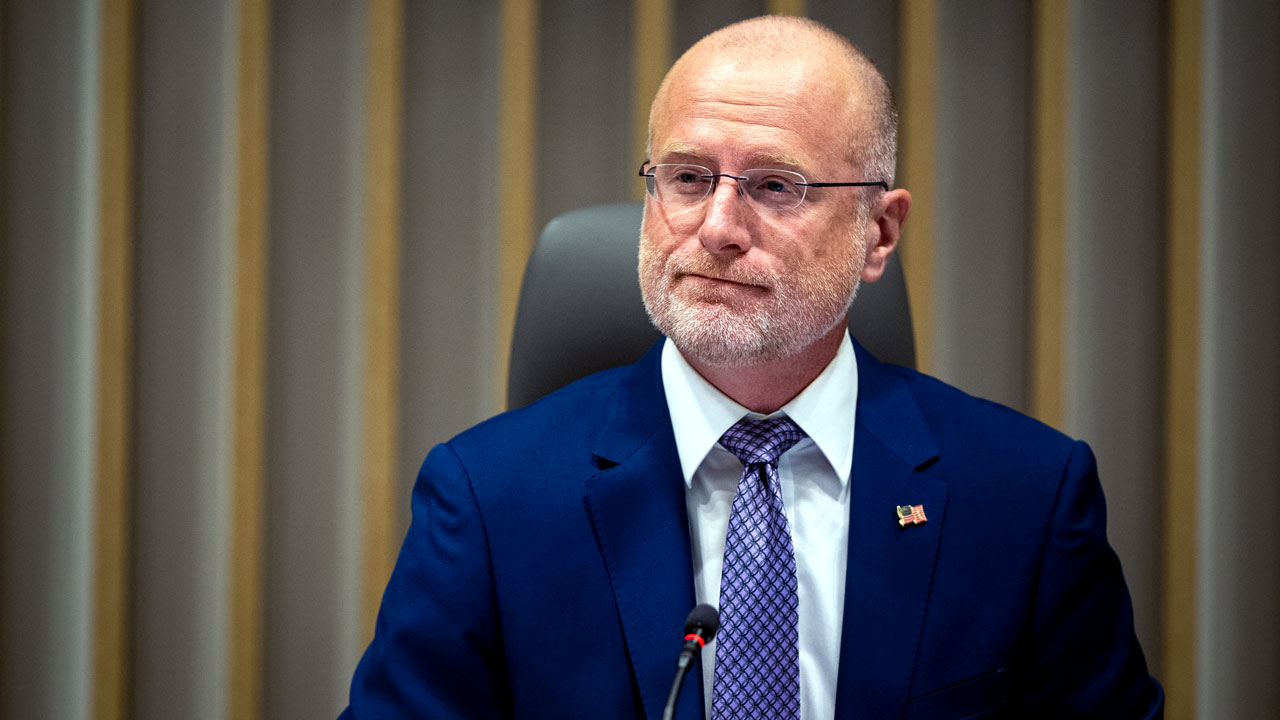
The FCC's proposed Robocall Scorecard would let consumers see how well their providers fight illegal robocalls using conduct- and outcome-based metrics.
Original source:
Read at Fox BusinessHow We See It
New Republican Times Editorial Board
it finally admits that "we take robocalls seriously" has been an empty sentence for a decade. Every carrier says it. Nobody proves it. A scorecard that grades providers on actual conduct and outcomes, not press releases, is the kind of accountability tool that should have existed years ago. If your phone still rings four times a day with a fake warranty warning, you deserve to know whether that's because your carrier is asleep at the wheel or because the problem is genuinely unsolvable.
But let's not pretend a scorecard fixes anything by itself. The FCC has a long history of proposing frameworks, metrics, and "transparency initiatives" that generate a report nobody reads while the underlying enforcement stays toothless. STIR/SHAKEN was supposed to be the fix. It slowed things down. It didn't stop them. A grading system only matters if bad grades come with consequences, whether that's fines, license conditions, or public pressure that actually moves a company's bottom line. Otherwise it's just another dashboard for policy wonks.
There's also a fairness question buried in here. Smaller carriers and resellers, the ones with thinner margins and less control over the calls that originate on their networks, could end up looking worse on paper than giant providers who just have more resources to throw at compliance theater. If the metrics aren't carefully built, this becomes a scorecard that rewards size and PR budgets rather than actual results for consumers.
Still, we'd rather have imperfect data than none. Americans have been told for years that robocalls are basically unstoppable, an acceptable cost of modern telecom. That's a low bar set by an industry that profits either way. A public scorecard, done honestly, at least puts a number on that failure instead of a shrug.
Commentary written with AI assistance by the New Republican Times Editorial Board.