

Federal Judge Rules Warrantless Flock Search Violated 4th
This story raises questions about governance, accountability, and American values.
A federal judge in Virginia used the term “indiscriminate mass surveillance” to describe a warrantless search of Flock license-plate reader data, and honestly, that’s the right phrase. Flock cameras aren’t aimed at solving a particular crime—they sweep up every plate that drives by, store it for weeks or months, and let police go fishing through the records whenever they feel like it. The judge ruled that violates the Fourth Amendment, and that should matter to anyone who thinks the government shouldn’t get to track you without a reason.
New Republican Times Editorial Board
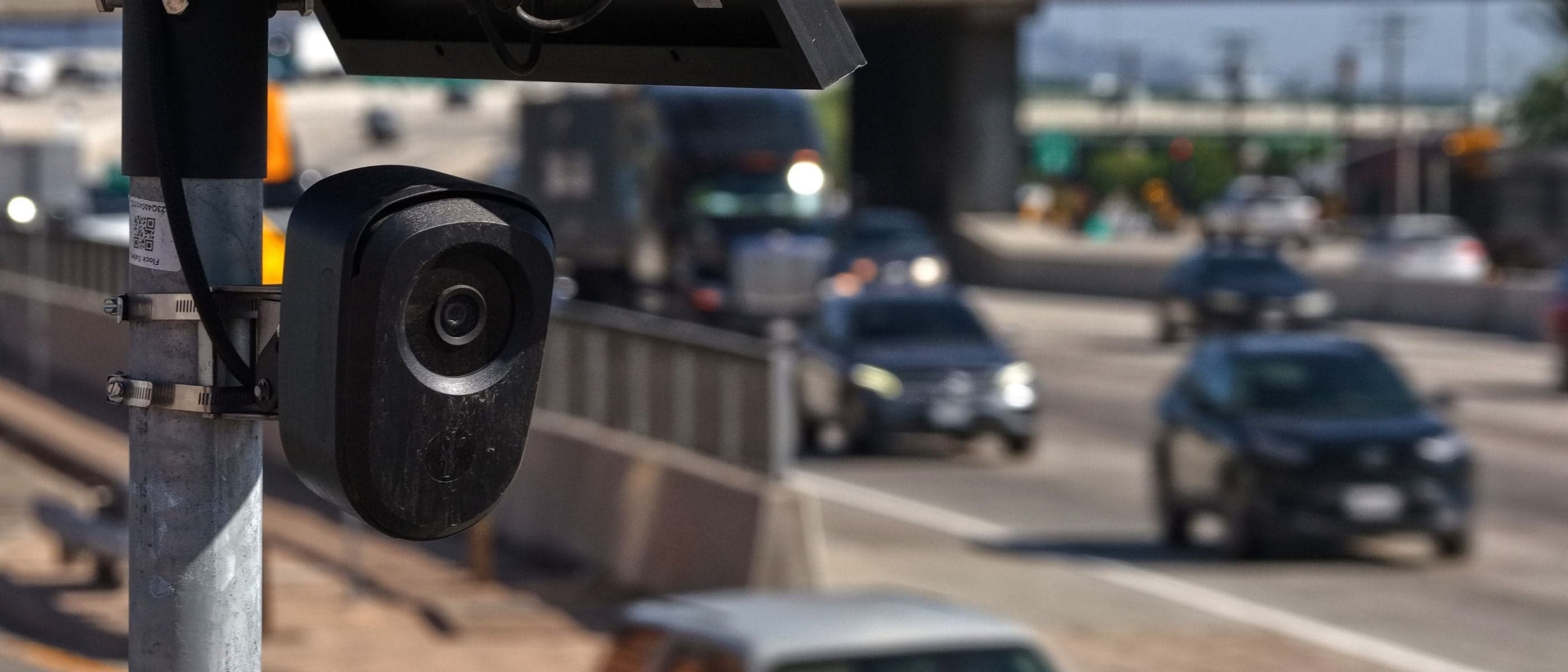
A federal judge threw out drug evidence after ruling a sheriff’s deputy violated the Fourth Amendment by pulling a month of a driver’s location history from Flock’s camera network without a warrant. U.S.
District Judge Sara E. Hill granted Melisa Kyle’s motion to suppress and ruled the warrantless search of automated license plate reader data unconstitutional, according to the ruling. The drug prosecution against Kyle sits in the Northern District of Oklahoma.
Tulsa County Deputy Freddie Alaniz began trailing Kyle’s Mazda SUV for no reason beyond its California plate, according to the ruling. He queried the Flock system for her plate before he observed any traffic violation.
The search logged her car more than 50 times across multiple states in a single month. Hill upheld the traffic stop as valid at its start, according to the ruling. Her objection centered on what came next.
Alaniz lacked reasonable suspicion to hold Kyle after he returned her license. The extended detention became unlawful. NEW: A federal judge in Oklahoma ruled that police violated the Fourth Amendment by searching Flock and other license plate reader data without a warrant, accessing more than 50 records of a driver’s movements across multiple states over a month. pic.twitter.com/3DkpfQYcha Hill’s second ground addressed the Flock search itself.
She ruled that reconstructing a month of Kyle’s movements breached her reasonable expectation of privacy. The search carried no warrant and no probable cause. The decision did not outlaw the technology outright.
Hill described the system as “a type of indiscriminate mass surveillance” in the opinion. “Freedom from persistent, dragnet-style surveillance while in public is not a foreign concept in our society, and it is a reasonable expectation that society already accepts,” she wrote.
A Flock spokesperson rejected the decision in a statement to The Hill. “The ruling goes against the overwhelming weight of authority in similar cases across the country, including multiple recent decisions in Oklahoma, and we expect it will be appealed and ultimately overturned,” the spokesperson said.
The company said the order sets no controlling precedent. Flock was not a party to the criminal case, according to Law Commentary. Republican Texas Gov. Greg Abbott and Republican Florida Gov. Ron DeSantis each moved over the past two months to restrict it.
Several local governments have also canceled their Flock contracts. Independent Sen. Bernie Sanders of Vermont, Democratic Sen. Jeff Merkley of Oregon and Democratic Rep. Alexandria Ocasio-Cortez of New York introduced legislation to bar federal agencies from using the systems.
The bill would freeze federal grants that help local police buy the technology.
Original source:
Read at Daily CallerHow We See It
New Republican Times Editorial Board
A federal judge in Virginia used the term “indiscriminate mass surveillance” to describe a warrantless search of Flock license-plate reader data, and honestly, that’s the right phrase. Flock cameras aren’t aimed at solving a particular crime—they sweep up every plate that drives by, store it for weeks or months, and let police go fishing through the records whenever they feel like it. The judge ruled that violates the Fourth Amendment, and that should matter to anyone who thinks the government shouldn’t get to track you without a reason.
This isn’t about coddling criminals. It’s about the difference between targeting a suspect and watching everybody. We often give law enforcement the benefit of the doubt, and we should. But when the state builds a searchable log of every car in town, that’s not detective work—that’s a surveillance system looking for a crime to justify itself. The officer in this case didn’t have probable cause or a warrant; he just searched a database and happened to find what he wanted. The Constitution doesn’t have a loophole for “but it worked out.”
What’s encouraging is that this ruling comes from a federal bench, not a partisan beachhead. It’s a reminder that the Fourth Amendment isn’t a liberal hobby—it’s a structural check on power, and it applies just as much to a small-town police chief as it does to the FBI. If conservatives want to talk about limited government, this is part of that conversation. Letting companies sell our license-plate data to police without judicial oversight isn’t efficiency; it’s a standing invitation to abuse.
Congress and state legislatures ought to step in with clear rules instead of leaving it to judges to improvise. But for now, this ruling is a good day for anyone who values privacy and doesn’t think probable cause should be an optional extra. Maybe more courts will say the same. That would be a healthy development—not just for civil liberties, but for the kind of country we tell ourselves we are.
Commentary written with AI assistance by the New Republican Times Editorial Board.