

Federal prosecutors charge Texas ICE officer whom Minnesota failed to extradite: Report
This story raises questions about governance, accountability, and American values.
So Minnesota wouldn't extradite him, and now the feds are charging him anyway, just on different grounds. That's worth sitting with for a second. This wasn't a case where the system let an ICE agent skate on a shooting.
New Republican Times Editorial Board
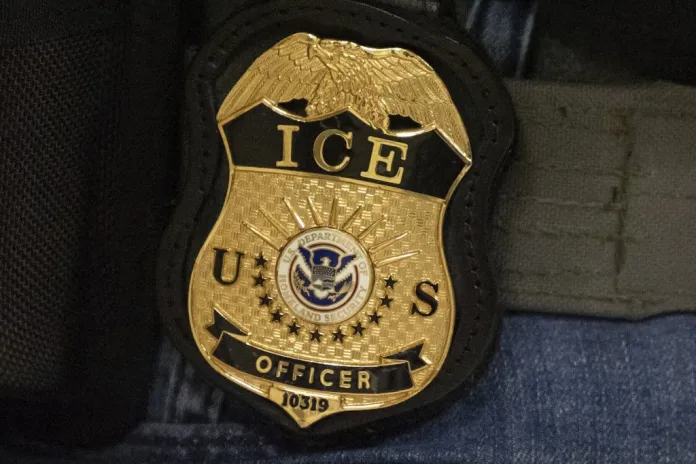
Federal prosecutors have reportedly charged an Immigration and Customs Enforcement agent accused of shooting a Venezuelan immigrant during the Trump administration’s January immigration crackdown in Minnesota.
Christian Castro, who is accused of shooting Julio Cesar Sosa-Celis in the thigh during the Jan. 14 incident, has reportedly been charged with making false statements to federal investigators, […]
Original source:
Read at Washington ExaminerHow We See It
New Republican Times Editorial Board
So Minnesota wouldn't extradite him, and now the feds are charging him anyway, just on different grounds. That's worth sitting with for a second. This wasn't a case where the system let an ICE agent skate on a shooting. It's a case where a state government decided it wasn't going to cooperate with federal authorities investigating one of its own agents, and the Justice Department had to route around that to get any accountability at all.
If Christian Castro lied to federal investigators about what happened on Jan. 14, he should answer for that, full stop. Lying to investigators is a real charge for a real reason, and nobody on this side of the aisle is going to make excuses for an officer who shoots someone and then isn't straight about it afterward. That's not a hard position to hold.
But the extradition refusal is the part that should actually bother people, including folks who think ICE overreached in Minnesota. States don't get to pick and choose when federal law enforcement gets cooperation based on which administration is in the White House. That's not principled resistance, it's just obstruction with better branding. If Minnesota had a problem with how this shooting was being handled, there were lawful ways to raise it. Sitting on an extradition request isn't one of them.
What this really shows is that the process worked in spite of the obstruction, not because of it. Federal prosecutors found another path and used it. That's a good outcome for accountability. It's a bad sign for how casually some states have decided federal cooperation is now optional.
Commentary written with AI assistance by the New Republican Times Editorial Board.