

NRT briefing
Fridges in French supermarkets hit by cyber attack
Based on reporting by BBC News.
The Brief
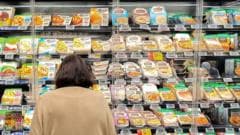
Hundreds of French supermarkets were hit by a cyber attack that caused refrigeration units to heat up, spoiling fresh and frozen food estimated to be worth millions of euros. The hack, which occurred overnight into Monday, targeted software provided by Danish engineering firm Danfoss, allowing hackers to override defrost cycles and force some units to reach 50C (120F) for several hours.
Coopérative U CEO Dominique Schelcher called the attack "extremely serious and unprecedented," while more than 100 of its stores were targeted. Intermarché and its Netto brand saw at least 300 stores affected, with Carrefour, Monoprix, and E.Leclerc also hit. Figures suggest about 500 stores were affected out of 15,000 in France.
Danfoss said the affected units were older models whose security software could not be updated to ward off a known risk. French prosecutors have opened a cyber-crime investigation, and European Food Commissioner Christophe Hansen condemned the hack, stating "the weaponisation of food has become a reality."
Retailers discarded affected products to avoid health risks, with some stores reporting small fires and losses in the millions.
NRT commentary
How We See It
This attack exposes a glaring vulnerability in the food supply chain that goes beyond mere inconvenience. The fact that hackers could remotely disable cooling systems in hundreds of stores with relative ease underscores how dependent modern retail has become on networked infrastructure—and how poorly secured that infrastructure often is.
Danfoss admits it had identified the risk, yet older models remained unpatched, leaving the door open for what appears to be a deliberate, coordinated assault on food security. While the immediate damage is measured in spoiled goods and lost revenue, the broader implication is chilling: if a hostile actor can turn off refrigerators, what else might they target?
This should serve as a wake-up call for businesses and governments alike to prioritize cybersecurity in critical sectors, not just finance or defense. The response from French authorities and the EU commissioner is appropriate, but proactive measures—not just reactions—are needed to prevent the weaponisation of food from becoming a recurring reality.
Commentary uses AI assistance. Read about our automated checks or report a correction.