

Gun rights gets 'greatest restoration' in 100 years with latest Trump DOJ move, lawmaker hails
This story raises questions about governance, accountability, and American values.
A tax stamp and a six-month wait to legally own a hearing protection device. That's what the 1934 rule actually did, and it's telling that the loudest objections to killing it always skip that part. Nobody's talking about grenade launchers here.
New Republican Times Editorial Board
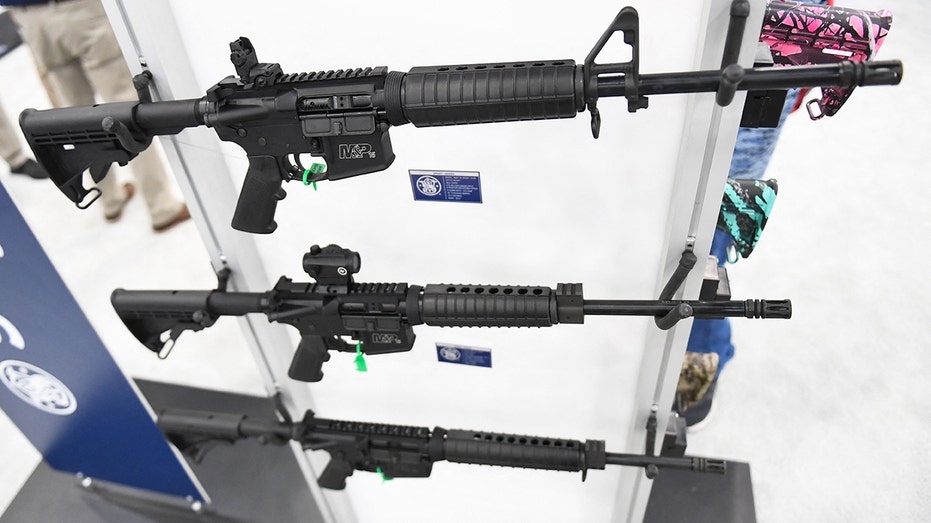
Rep. Andrew Clyde calls the ruling removing the $200 tax on silencers and short-barreled rifles the greatest Second Amendment restoration in a century.
Original source:
Read at Fox NewsHow We See It
New Republican Times Editorial Board
A tax stamp and a six-month wait to legally own a hearing protection device. That's what the 1934 rule actually did, and it's telling that the loudest objections to killing it always skip that part. Nobody's talking about grenade launchers here. They're talking about $200, a piece of paper, and the federal government deciding your paperwork was more important than your eardrums.
Andrew Clyde isn't wrong to call this a big deal, even if "greatest restoration in a century" is the kind of line a congressman says knowing it'll end up in a headline. The National Firearms Act tax on suppressors and short-barreled rifles was never really about crime control. It was a Depression-era registration scheme dressed up as a revenue measure, and it's stuck around for ninety years mostly because nobody wanted the fight of unwinding it. The DOJ actually doing it is the kind of unglamorous regulatory cleanup that never trends but changes real lives, mostly of hunters, range shooters, and gun owners who just wanted to protect their hearing without a federal permission slip and a wait longer than buying the gun itself.
Expect the usual reaction anyway, treating a paperwork tax repeal like the streets are about to fill with silenced weapons. That's not what happened and it's not what this is. A suppressor doesn't make a gun silent, it makes it survivable to shoot without ear damage, which is a fact gun owners have been repeating for decades to an audience that mostly isn't listening.
If there's a lesson here, it's that plenty of gun control on the books isn't really about safety, it's about friction. Make ownership expensive enough, slow enough, annoying enough, and you get the restriction without ever having to defend it honestly. Taking that friction away isn't radical. It's just finally admitting what the rule was.
Commentary written with AI assistance by the New Republican Times Editorial Board.