

How China stole voter registration from 220 million US citizens, according to declassified materials
Strategic competition with Beijing demands clarity on American commitments and economic leverage.
Two hundred and twenty million voter files. That's not a hack of a campaign server or a stray password leak, that's basically every registered voter in the country sitting in a Beijing database since 2016 and nobody in Washington thought it was worth telling the public about until Thursday night. Nine years.
New Republican Times Editorial Board
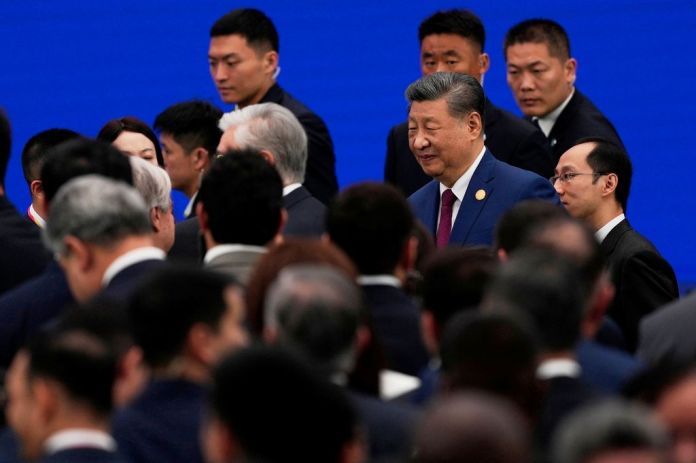
A cache of declassified intelligence documents released by the Trump administration Thursday night offered bold new details on China’s acquisition of U.S. voter information since 2016, which President Donald Trump called the “largest compromise of election data in history.” Trump said during his primetime address on Thursday that the People’s Republic of China acquired 220 […]
Original source:
Read at Washington ExaminerHow We See It
New Republican Times Editorial Board
Two hundred and twenty million voter files. That's not a hack of a campaign server or a stray password leak, that's basically every registered voter in the country sitting in a Beijing database since 2016 and nobody in Washington thought it was worth telling the public about until Thursday night. Nine years. That's the part that should stop you cold, not the number itself.
Think about what's actually in a voter registration file. Name, address, birthdate, party affiliation, sometimes phone numbers and past voting history. That's not classified material, but stitched together across 220 million people it becomes something else entirely: a targeting map for influence operations, a way to know exactly which households to hit with which message in which swing district. If Beijing has had that since the Obama years, every election since has been fought on a field the other side could see and we couldn't.
The instinct in some corners will be to wave this off as another Trump primetime special, timed for effect, short on independently verified specifics. Fair enough, ask those questions. But the answer to "was the rollout political" isn't "so ignore the underlying compromise." Those are two different arguments, and collapsing them into one is how a genuine counterintelligence failure gets filed away as just more noise from an administration people have already decided to tune out.
What we'd actually like to see is simple: which agencies knew, when they knew it, and why this sat classified through two more presidential elections. Nine years of silence is its own scandal, separate from whoever finally decided to declassify it and how they chose to announce it.
Commentary written with AI assistance by the New Republican Times Editorial Board.