

I saw the movie that Warner tried to delete: 'Coyote vs. Acme'
This story raises questions about governance, accountability, and American values.
There’s something darkly funny about a studio making a movie about a crooked corporate scheme, then trying to bury the movie itself for a tax write-off. That’s the “Coyote vs. Acme” story in a nutshell.
New Republican Times Editorial Board
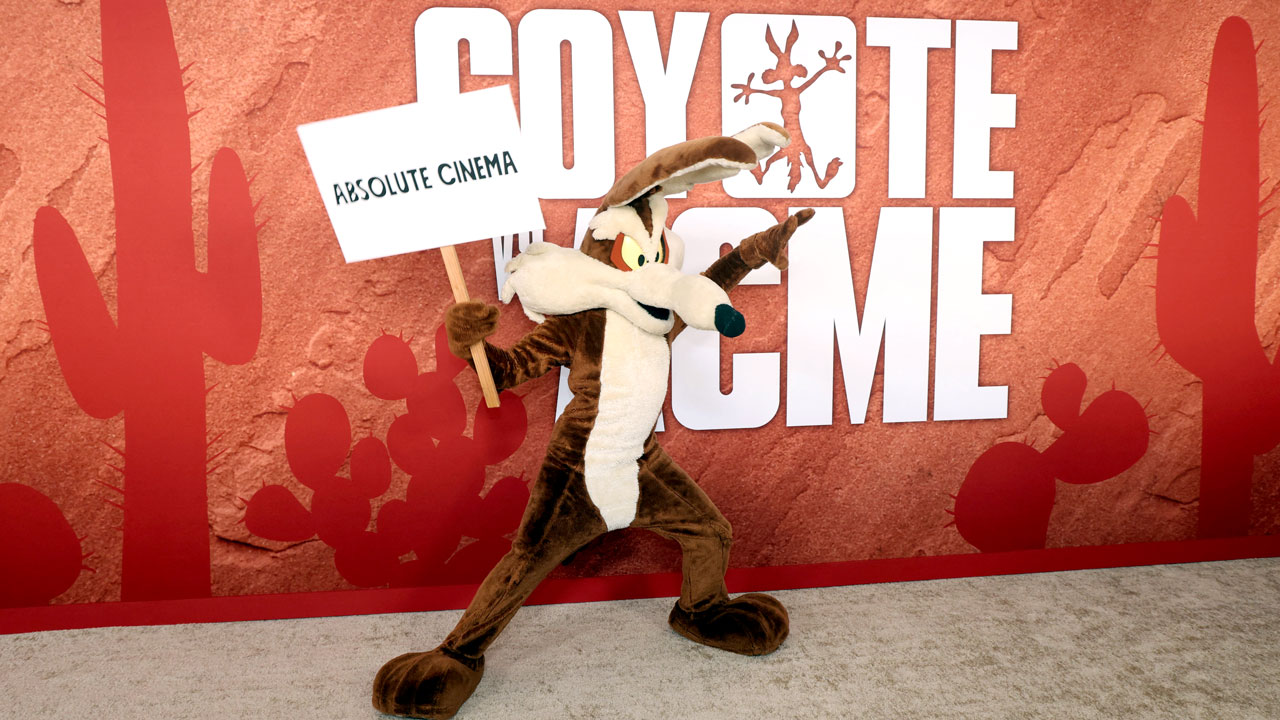
"Coyote vs. Acme's" story parallels one of how the movie fought through Warner Bros. and tax incentives and got to movie theaters nationwide.
Original source:
Read at Fox BusinessHow We See It
New Republican Times Editorial Board
There’s something darkly funny about a studio making a movie about a crooked corporate scheme, then trying to bury the movie itself for a tax write-off. That’s the “Coyote vs. Acme” story in a nutshell. The reporting says the film finally fought its way through Warner Bros.’ internal math, the incentives game, and the usual Hollywood excuses and ended up in theaters nationwide. Good. Not because every half-animated comedy deserves a medal, but because the idea that finished work can be “deleted” by a boardroom is a rotten precedent.
Studios love to talk about “risk,” but this wasn’t risk. This was accounting. A company decides it can make more money by pretending a movie never existed than by letting people see it, then wraps it in corporate-speak about strategy. When a tax rule pays you to hide a product, the rule is broken. And it’s not just about one coyote and one anvil. It’s about what happens when incentives reward disposal over delivery.
We don’t have to pretend Hollywood is a charity. But if you hire crews, pay actors, and take audiences’ attention for granted, you should at least have the decency to release what you made or sell it cleanly. “We’re deleting it for the spreadsheet” isn’t a business model worth defending. The irony here is that a movie that reportedly skewers legal gamesmanship got trapped in a real-world version of it.
The happy ending is that “Coyote vs. Acme” made it to the public. That’s a win for the people who made it and for anyone tired of giant companies deciding culture is just inventory. Release it, sell it, or own the decision. Don’t try to cash a tax check and pretend the work never happened. If Hollywood wants trust back, this is a good place to start.
Commentary written with AI assistance by the New Republican Times Editorial Board.