

Iran taps financial lifeline, Russian arms as Trump escalates 'crushing' economic warfare
European security questions expose tensions between alliance obligations and American interests.
Iran finding new friends when it's cornered isn't exactly breaking news. Tehran has been running this playbook since the hostage crisis: get squeezed by Washington, go shopping in Moscow and Beijing. What's worth noticing now is how much easier that shopping trip has gotten.
New Republican Times Editorial Board
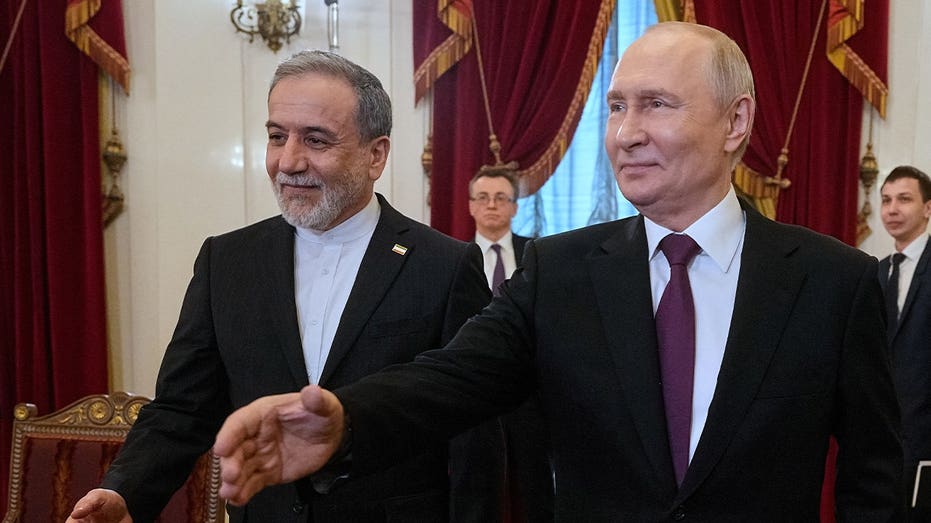
Iran is deepening ties with Russia and China through BRICS and the Shanghai Cooperation Organization to blunt U.S. sanctions, analysts warn.
Original source:
Read at Fox NewsHow We See It
New Republican Times Editorial Board
Iran finding new friends when it's cornered isn't exactly breaking news. Tehran has been running this playbook since the hostage crisis: get squeezed by Washington, go shopping in Moscow and Beijing. What's worth noticing now is how much easier that shopping trip has gotten. BRICS membership and a seat at the Shanghai Cooperation Organization table aren't just symbolic gestures anymore. They're actual plumbing for moving money and hardware around sanctions that used to be a lot harder to dodge.
That's the part of this story that should bother people more than it seems to. Sanctions work when the target has nowhere else to go. Iran increasingly does. Russia wants drones and oil customers, China wants cheap crude and a reliable customer for everything from cars to construction equipment, and Iran wants both of them to keep pretending sanctions don't exist. Everybody gets what they need. Meanwhile Washington keeps announcing new rounds of "crushing" pressure like it's 2018, without fully reckoning with the fact that the sanctions regime was built for a world where Iran didn't have this kind of backup.
None of this means sanctions are pointless. It means they're not self-executing anymore, and pretending otherwise is how you end up surprised every single time Tehran finds a workaround. If the goal is actually squeezing the regime rather than just issuing tough statements, the strategy needs to account for Moscow and Beijing as active participants, not background noise. Right now the policy reads like it was written before those relationships hardened into something structural.
There's also a harder question buried in here about what "maximum pressure" is supposed to accomplish if the target has already adapted to it. Escalating a strategy that isn't landing the way it used to isn't strength, it's inertia. Iran's economy is still a mess, no argument there. But a sanctions regime with a Russian and Chinese back door isn't the same tool it was a decade ago, and American policy should say so out loud instead of narrating a fight we're only half winning.
Commentary written with AI assistance by the New Republican Times Editorial Board.