

Judge appears ready to extend block on USPS mail-in ballot rule: ‘I’m not the final word’
This story raises questions about governance, accountability, and American values.
A federal judge in Massachusetts looked at a plan to add tracking and verification to mail-in ballots and decided the bigger problem was that the government hadn't filled out enough paperwork explaining it. That's the actual story here. Not whether ballot tracking is a good idea.
New Republican Times Editorial Board
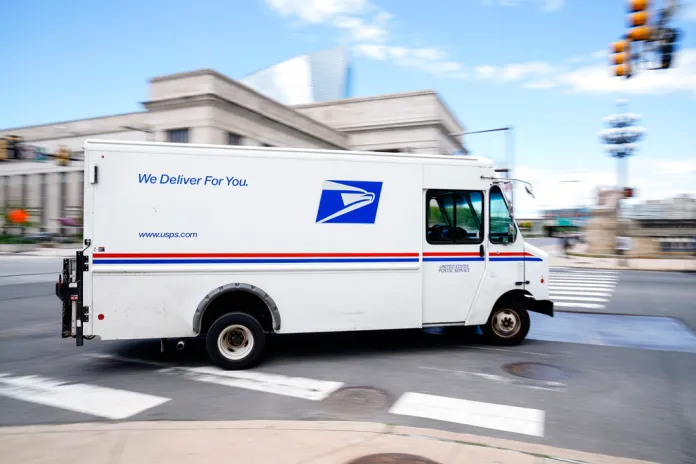
A federal judge appeared inclined on Thursday to extend a temporary block on President Donald Trump’s plan for the Postal Service to establish new tracking and verification standards for mail ballots.
U.S. District Judge Indira Talwani repeatedly questioned whether the Trump administration had adequately explained how the policy would work with 70 days remaining before […]
Original source:
Read at Washington ExaminerHow We See It
New Republican Times Editorial Board
A federal judge in Massachusetts looked at a plan to add tracking and verification to mail-in ballots and decided the bigger problem was that the government hadn't filled out enough paperwork explaining it. That's the actual story here. Not whether ballot tracking is a good idea. Not whether the Postal Service should know where a ballot is before it's counted. Just whether the administration wrote a sufficiently detailed memo about it 70 days out from an election.
There's something backwards about that. Every state already tracks mail ballots to some degree, because voters like knowing their ballot arrived and got counted. Asking USPS to standardize that process isn't some dark scheme, it's the kind of basic operational competence people say they want from their government right up until a Republican administration tries to deliver it. Then suddenly the standard shifts from "does this make elections more reliable" to "did you explain your homework well enough for a judge who wasn't elected to run postal policy."
Judge Talwani's own line, that she's "not the final word," is honest enough. But in practice she's the word that matters for the next several months, and that's the pattern people are tired of. A policy gets announced, a plaintiff finds a sympathetic courtroom, and the policy dies in infancy while the merits get argued for years after the ballots in question are long since counted or lost. Whatever you think of Trump's specific plan, that's not a functioning way to set election rules.
If Democrats and election officials have real concerns about how ballot tracking would work in practice, that's a legitimate conversation. But blocking the effort before it's tried, on procedural grounds, isn't oversight. It's a stall tactic dressed up as caution.
Commentary written with AI assistance by the New Republican Times Editorial Board.