

King Charles Faces New Reckoning Over Britain’s Slave Trade
This story raises questions about governance, accountability, and American values.
instead of demanding a check from Parliament, it's asking King Charles to send the whole reparations question to Britain's own Privy Council for a legal ruling. That's a smart move on paper. It turns a political fight into a legal one, and it puts the monarch in the awkward position of either blessing an inquiry into his own family's history or refusing to and looking like he's ducking it.
New Republican Times Editorial Board
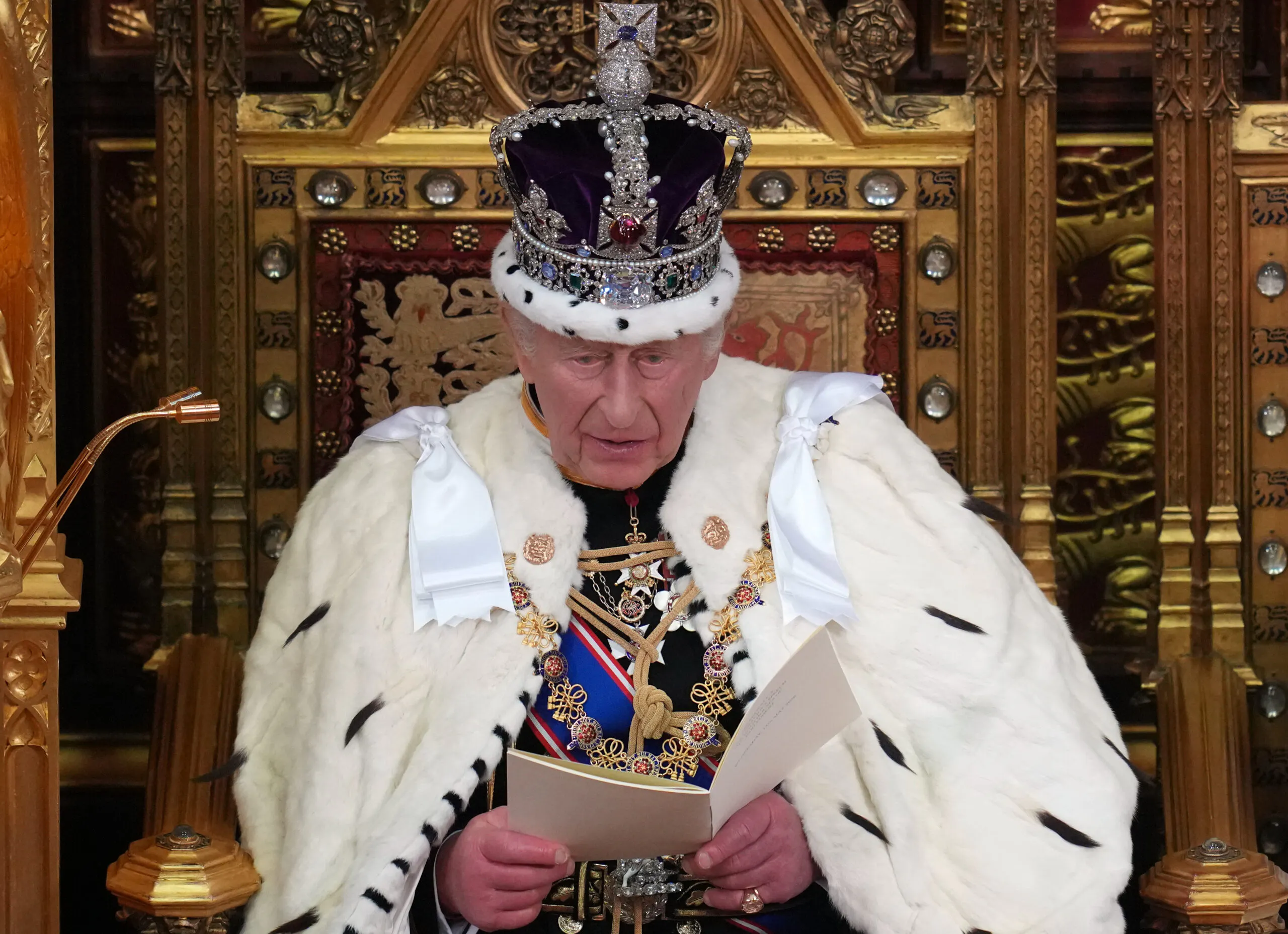
Jamaica formally petitioned King Charles III on Monday, asking him to refer three legal questions on Britain’s historical role in the transatlantic slave trade to the Judicial Committee of the Privy Council — the first time a Commonwealth nation has attempted this route in pursuit of reparations.
The petition, led by Jamaican Minister of Culture,
Original source:
Read at Daily WireHow We See It
New Republican Times Editorial Board
instead of demanding a check from Parliament, it's asking King Charles to send the whole reparations question to Britain's own Privy Council for a legal ruling. That's a smart move on paper. It turns a political fight into a legal one, and it puts the monarch in the awkward position of either blessing an inquiry into his own family's history or refusing to and looking like he's ducking it.
But step back and ask what actually gets solved here. Say the Privy Council takes the case. Say it rules, decades and appeals later, that Britain bears some formal legal responsibility for a trade that ended in 1807. Then what? Nobody alive today enslaved anyone, and nobody alive today was enslaved. A ruling doesn't undo the thing; it just hands governments and courts a new, permanently litigable grievance to argue about instead of building anything.
That's the pattern with reparations pushes generally, whether they're aimed at London or at American state legislatures. The moral case gets stated in the loudest terms possible, but the actual ask is always vague on numbers, vague on who qualifies, and vague on when it would ever be considered "enough." Jamaica's economy has real, present problems, debt, crime, a struggling tourism sector, that a symbolic legal victory over a 19th-century trade won't touch.
We'd take these campaigns more seriously if they came with a concrete plan instead of a court referral designed mainly to embarrass a king. History should be taught honestly and Britain's role in slavery shouldn't be softened. But turning it into an endless legal proceeding against a constitutional monarch with no policy power is theater, not justice.
Commentary written with AI assistance by the New Republican Times Editorial Board.