

New York Times raises eyebrows by referring to AIPAC as 'hard-right' pro-Israel group
This story raises questions about governance, accountability, and American values.
AIPAC has spent decades cultivating Democrats as much as Republicans, writing checks to moderates in both parties, and generally functioning as the most mainstream, establishment-friendly lobby in Washington. So when the New York Times decides the group needs a new label, "hard-right," it's worth asking what actually changed. AIPAC didn't lurch rightward overnight.
New Republican Times Editorial Board
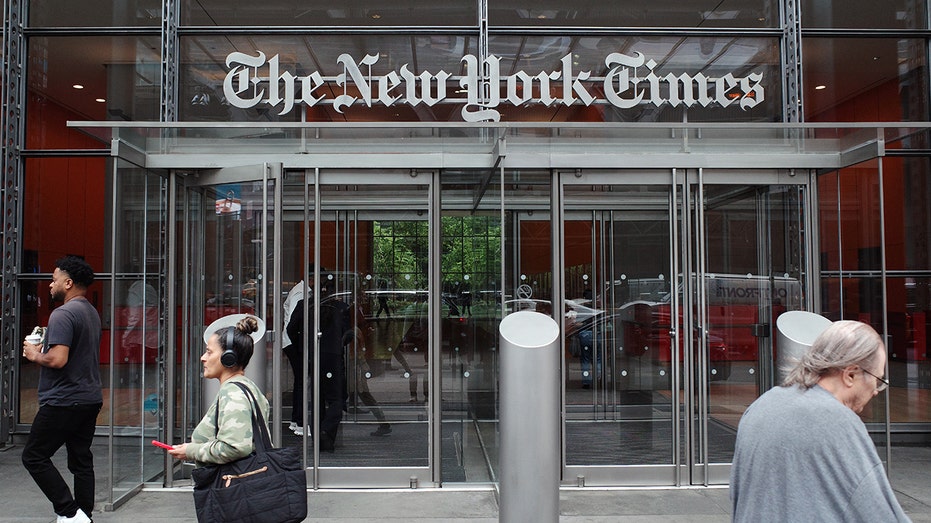
Critics slammed the New York Times for calling AIPAC a "hard-right pro-Israel lobbying group" in its coverage of the House vote on Israel aid.
Original source:
Read at Fox NewsHow We See It
New Republican Times Editorial Board
AIPAC has spent decades cultivating Democrats as much as Republicans, writing checks to moderates in both parties, and generally functioning as the most mainstream, establishment-friendly lobby in Washington. So when the New York Times decides the group needs a new label, "hard-right," it's worth asking what actually changed. AIPAC didn't lurch rightward overnight. What changed is that supporting Israel's existence and defense has become, in certain newsrooms, something that requires a warning label.
This is the trick language does when a publication wants to shape opinion without stating one. Nobody at the Times had to write an op-ed arguing that AIPAC is extreme. They just needed to describe it that way often enough, in straight news copy, until readers absorb it as fact rather than framing. A group is only "hard-right" if the person describing it has already decided that where they stand is the sensible center. That's not reporting. That's staking out a political position and pretending it's neutral vocabulary.
The irony is that AIPAC's own coalition includes plenty of Democrats who'd be startled to hear their pro-Israel advocacy filed under "hard-right." But that's exactly the point of the label. It's less about describing AIPAC accurately than about narrowing what counts as acceptable opinion on Israel, nudging support for the alliance itself toward the fringe. Readers noticed. They usually do, eventually, even when a newsroom hopes they won't.
Commentary written with AI assistance by the New Republican Times Editorial Board.