

Non-campaign, local road events bring politicians in front of rural, small-town, and apolitical America
This story raises questions about governance, accountability, and American values.
There's something almost quaint about a senator standing in line for a pork chop on a stick, getting heckled by a guy in overalls about grain prices instead of getting screamed at by a cable news panel. That's the real story buried under the fair food descriptions. Politicians go to these things because the people there haven't been sorted into a media bubble that tells them what to think before the candidate even opens his mouth.
New Republican Times Editorial Board
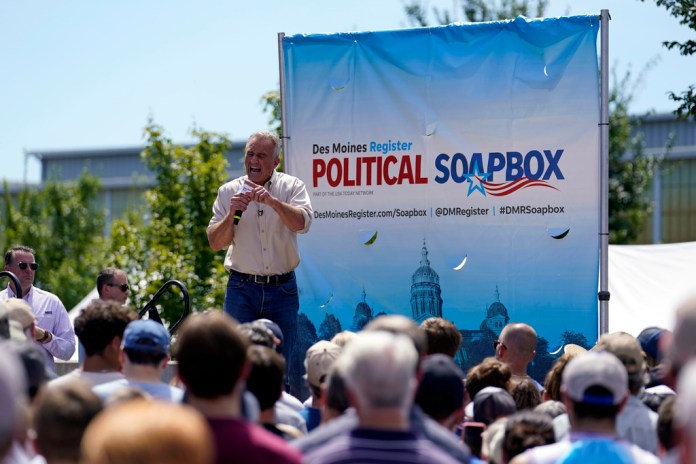
Political smack talk with a side of Kentucky mutton and pork. Minnesota turkey dinners for hopeful political winners. Talking policy stances to Iowa fairgoers eating pork chops on sticks. Between scheduled campaign rallies and town halls, U.S. political candidates have for decades sought to bring their ideas to established local events that draw crowds and […]
Original source:
Read at Washington ExaminerHow We See It
New Republican Times Editorial Board
There's something almost quaint about a senator standing in line for a pork chop on a stick, getting heckled by a guy in overalls about grain prices instead of getting screamed at by a cable news panel. That's the real story buried under the fair food descriptions. Politicians go to these things because the people there haven't been sorted into a media bubble that tells them what to think before the candidate even opens his mouth.
That's exactly why these events matter more than the consultants tend to admit. A rally is built for applause. A town hall is built for gotcha clips. But a barbecue judging table or a county fair booth puts a candidate next to someone who genuinely doesn't care about his approval rating, who just wants to know if he's going to do something about the co-op or the crop insurance mess. You can't fake your way through that with a talking point. Rural and small-town voters have been telling pollsters for years that they feel talked at instead of talked to, and this is the rare setting where that complaint actually gets addressed, mutton and all.
It also exposes which candidates are comfortable being ordinary in front of ordinary people. Some show up, actually mingle, and let the day be about the fair instead of about them. Others treat it like a photo op with a hay bale prop and leave the second the cameras do. Voters notice the difference, especially in places that have watched Washington fly over their towns for decades without landing.
None of this is going to fix the disconnect between rural America and the political class overnight. But a candidate who'll eat pork on a stick next to a guy who didn't vote for him last time, and actually listen to what he has to say, is doing more real politics than a dozen scripted rallies. That's the kind of contact that used to be normal in this country, and we'd be better off if it still was..
Commentary written with AI assistance by the New Republican Times Editorial Board.