

People may not like Trump, but they don’t like el Sayed even more: Byron York
Progressive policy ambitions meet practical realities as Americans weigh costs and consequences.
Byron York's point about Michigan is worth sitting with for a second, because it cuts against the story Democrats have been telling themselves since 2016. Trump being unpopular in a state doesn't automatically mean the Democrat waiting in the wings gets to cash in on that unpopularity. Voters can dislike a president and still take one look at his replacement and decide, no thanks, not that either.
New Republican Times Editorial Board
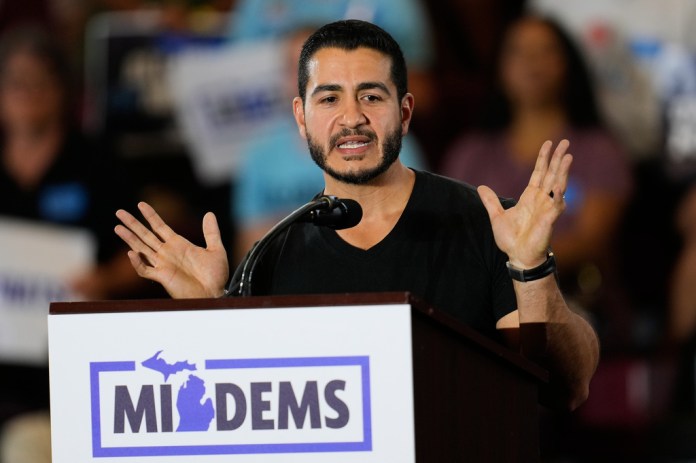
Washington Examiner chief political correspondent Byron York said Democrats are hoping to capitalize on Michigan voters’ dislike of President Donald Trump, but that strategy may not be translating into as much support for Democratic Senate nominee Abdul el Sayed as they expect. “The president is pretty unpopular overall in Michigan,” York said Monday on Fox […]
Original source:
Read at Washington ExaminerHow We See It
New Republican Times Editorial Board
Byron York's point about Michigan is worth sitting with for a second, because it cuts against the story Democrats have been telling themselves since 2016. Trump being unpopular in a state doesn't automatically mean the Democrat waiting in the wings gets to cash in on that unpopularity. Voters can dislike a president and still take one look at his replacement and decide, no thanks, not that either.
That's apparently what's happening with Abdul el Sayed. He's not some accidental nominee. Democrats in Michigan picked him, and now they're discovering that a lot of the same voters who are tired of Trump are also not exactly clamoring for what el Sayed is selling. That should tell the party something, though we doubt it will. The assumption for years has been that anti-Trump sentiment is a bottomless well of votes for whoever runs against him, regardless of who that person actually is or what they believe. Michigan is a reminder that voters are pickier than that.
There's a lesson here that goes beyond one Senate race. Being the "not Trump" candidate isn't a strategy, it's a hope. Voters want to know what you'd actually do, not just whose team you're not on. El Sayed's struggles suggest Michigan voters are looking past the anti-Trump branding and asking harder questions about the alternative, which is exactly what elections are supposed to be for.
Commentary written with AI assistance by the New Republican Times Editorial Board.