

Portland-Area County Hit With Class Action Lawsuit for Race-Based Homeless Policies
This story raises questions about governance, accountability, and American values.
A county government promising in writing that "people of color will be served at higher rates" than white people is the kind of thing that used to get you sued back when discrimination ran the other direction. Now it's a grant proposal. Multnomah County didn't bury this in bureaucratic euphemism either.
New Republican Times Editorial Board
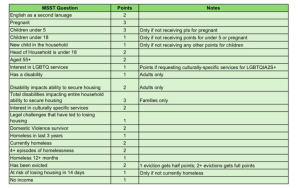
Multnomah County, Ore., was hit with a class action lawsuit on Monday over its race-based homeless programs, which promise that "[p]eople of color will be served at higher rates" than white people and include "culturally specific" apartments for the "BIPOC Community." The post Portland-Area County Hit With Class Action Lawsuit for Race-Based Homeless Policies appeared first on .
Original source:
Read at Free BeaconHow We See It
New Republican Times Editorial Board
A county government promising in writing that "people of color will be served at higher rates" than white people is the kind of thing that used to get you sued back when discrimination ran the other direction. Now it's a grant proposal. Multnomah County didn't bury this in bureaucratic euphemism either. It's right there in the program language, alongside "culturally specific" apartments set aside for the "BIPOC Community." That's not a dog whistle. That's a policy.
Homelessness in Portland is a genuine crisis, tents lining underpasses, overdoses, people dying outside in the rain. You'd think a county with that on its hands would spend its energy getting anyone off the street, full stop. Instead someone decided the smarter use of scarce shelter beds was sorting applicants by skin color and building a two-tier system where a white veteran sleeping in his car gets a different queue than his neighbor. That's not compassion, it's bureaucratic race-sorting dressed up in the language of equity.
The lawsuit shouldn't even be a hard call. The Civil Rights Act doesn't have an asterisk for programs that mean well. A public agency conditioning services on race is exactly the kind of thing courts have struck down for sixty years, whoever the intended beneficiaries are. Multnomah County officials clearly convinced themselves that stapling "BIPOC" onto a housing memo makes disparate treatment legal. It doesn't, and a judge is very likely to tell them so.
What's telling is that nobody in county government seems to have flagged this before it went to print. That's the real story here: an entire layer of local government where writing "higher rates for people of color" into an official homeless policy felt normal enough to publish rather than something to quietly rewrite.
Commentary written with AI assistance by the New Republican Times Editorial Board.