

Portugal enacts 'burqa law' largely prohibiting face coverings in public
This story raises questions about governance, accountability, and American values.
you don't get to walk through a public square as a faceless stranger. There are exceptions written in, the usual carve-outs for health, safety, and religious practice in appropriate settings, but the core of the law is blunt. Show your face.
New Republican Times Editorial Board
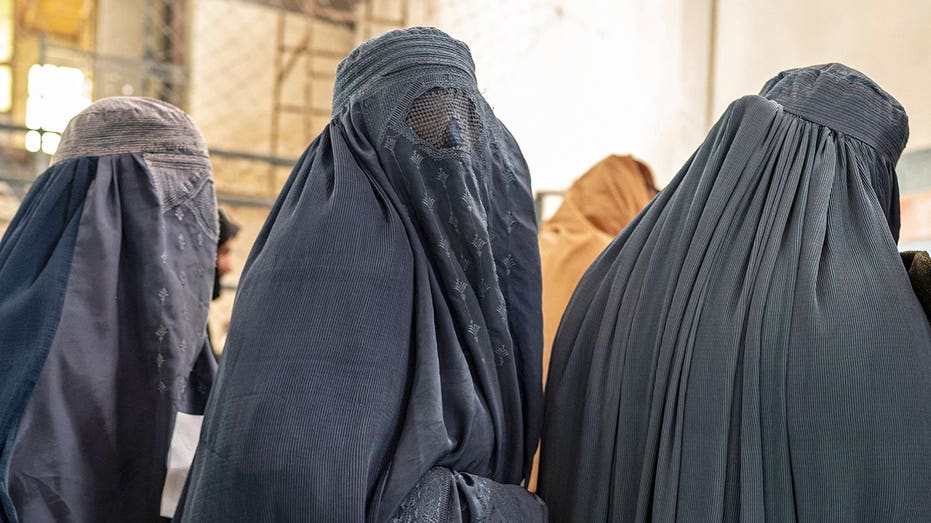
Portuguese President António José Seguro has enacted a measure that bans people from covering up their face while in public places, with some exceptions, AFP reported.
Original source:
Read at Fox NewsHow We See It
New Republican Times Editorial Board
you don't get to walk through a public square as a faceless stranger. There are exceptions written in, the usual carve-outs for health, safety, and religious practice in appropriate settings, but the core of the law is blunt. Show your face. It's a small thing that says something large about a country that still believes public life requires a baseline of mutual recognition.
We've watched France, Belgium, and a handful of other European nations go through this same fight for over a decade now, usually met with the same predictable outcry about targeting Muslim women or infringing on personal choice. Portugal's law will get the same treatment in the press. But strip away the framing and ask a simpler question: should a stranger on a train, a teller at a bank, or a cop on patrol be able to look at the person in front of them? Most Portuguese, apparently, think the answer is yes.
This isn't really about fashion or faith. It's about whether a society still believes anonymity has limits when you step outside your own front door. Security cameras, ID checks, and facial recognition have already reshaped how much privacy any of us have in public spaces, so the idea that a face covering is somehow the last untouchable bastion of personal liberty rings a little hollow. Portugal drew a line. A functioning public square requires people to actually show up as themselves.
We'd be lying if we said this kind of law would sail through Congress without a decade of lawsuits and cable news meltdowns. But there's something almost refreshing about a European government making the call without pretending it's a neutral non-issue. Portugal decided that visibility in public life is worth protecting, exceptions and all. That's not authoritarian. That's just a country deciding it still gets to set terms for its own public spaces.
Commentary written with AI assistance by the New Republican Times Editorial Board.