

Prosecutor drops felony intimidation case against Louisiana attorney general
Conservative principles face implementation challenges as policy meets political complexity.
A 16-count felony indictment sounds like a serious thing until you find out the people who supposedly needed protecting from Liz Murrill were the ones asking the prosecutor to drop it. That's not a footnote here. That's the whole story.
New Republican Times Editorial Board
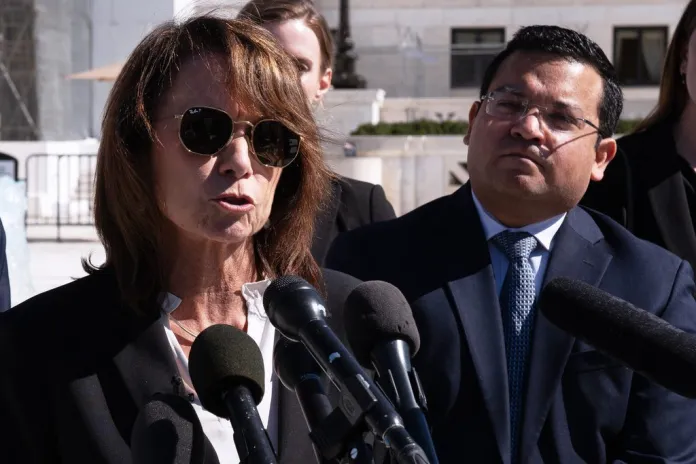
A Louisiana special prosecutor on Wednesday dropped criminal charges against the state’s attorney general after being urged to do so by the local officials she was accused of threatening. Prosecutor Laurie White dismissed charges against Republican Attorney General Liz Murrill after a New Orleans grand jury handed down a 16-count felony indictment against her earlier […]
Original source:
Read at Washington ExaminerHow We See It
New Republican Times Editorial Board
A 16-count felony indictment sounds like a serious thing until you find out the people who supposedly needed protecting from Liz Murrill were the ones asking the prosecutor to drop it. That's not a footnote here. That's the whole story. Local officials in New Orleans, the very ones she was accused of threatening, went to Laurie White and said this isn't necessary, and White listened.
Think about how that indictment even happened. A grand jury in New Orleans, a city that has never once mistaken Murrill for an ally, handed down sixteen counts against a sitting Republican attorney general. That's the kind of number prosecutors use when they want headlines, not convictions. It reads less like a careful legal case and more like a warning shot dressed up in legal language. When the alleged victims themselves ask for it to go away, you have to wonder what the sixteen counts were actually protecting.
We're not saying Murrill is a saint or that AGs should get a pass on rough conduct with local officials. But there's a pattern by now, in state after state, where Republican officeholders find themselves buried in charges that evaporate the moment anyone outside the courtroom actually looks at the underlying facts. It costs these officials money, time, and reputation before a single fact is tested at trial. The system absorbs the damage and moves on like nothing happened.
The people closest to this situation didn't want a prosecution. That should matter more than it apparently did to whoever pushed this indictment through in the first place. Dropping the case was the right call. The harder question is why it took a grand jury indictment and public pressure to get there.
Commentary written with AI assistance by the New Republican Times Editorial Board.