

Reporter's Notebook: Congress faces a crisis that the 'AI
This story raises questions about governance, accountability, and American values.
So Geoffrey Hinton, the guy who helped build the neural networks that are about to rewire everything, stood in front of Congress and told them they have **roughly a year to figure this out**. The man gives them a deadline, and the best response Washington can muster is a collective shrug. With the midterms looming and a thousand other fires burning, the odds of this Congress passing meaningful AI legislation before the calendar flips are somewhere between slim and none.
New Republican Times Editorial Board
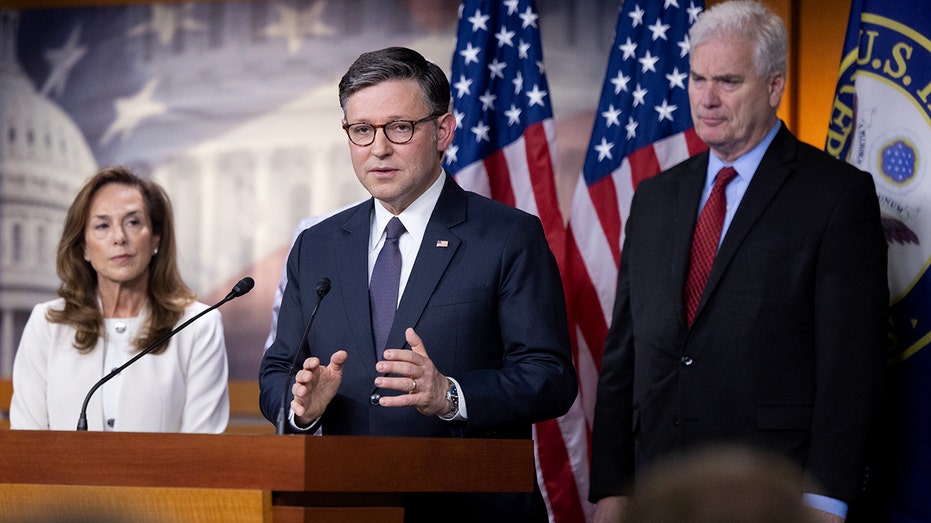
Geoffrey Hinton warns Congress has a year max to act on artificial intelligence, but political gridlock and midterms could delay legislation.
Original source:
Read at Fox NewsHow We See It
New Republican Times Editorial Board
So Geoffrey Hinton, the guy who helped build the neural networks that are about to rewire everything, stood in front of Congress and told them they have roughly a year to figure this out. The man gives them a deadline, and the best response Washington can muster is a collective shrug. With the midterms looming and a thousand other fires burning, the odds of this Congress passing meaningful AI legislation before the calendar flips are somewhere between slim and none.
Here is the uncomfortable truth the tech optimists won't say out loud: we are already living with the regulatory lag. The federal government moves at the speed of a Senate subcommittee hearing on postal reform. Chinese tech firms and American startups aren't waiting for a green light from the Hill. They are shipping products, cutting costs, and deploying these systems into hospitals, banks, and defense contractors right now. By the time Congress finishes a markup session, the technology they are trying to govern will be two generations old.
The political reality makes this even messier. Neither party sees a clear electoral win in putting the brakes on AI, and every district has a different economic stake. A congressman from Silicon Valley wants to protect the cash cows; a congressman from Michigan wants to protect the auto plants. That is a recipe for a thousand hearings and zero votes. We are not saying they should rubber-stamp a massive new regulatory regime, but the conservative instinct should be about security and competitive advantage, not just protecting the status quo. If we leave ourselves exposed, we are not being cautious, we are being reckless with the future of American industry and national defense.
Maybe the best thing this Congress can do is stop pretending they can master the math and focus on the one thing they are actually good at: drawing lines in the sand. Set the liability rules. Establish clear benchmarks for autonomous systems in critical infrastructure. Then, get out of the way and let American ingenuity run. The alternative—fiddling with white papers while the world gets built elsewhere—is a failure we won't be able to explain away. The clock is ticking, and the Chairman's gavel is not a stopwatch..
Commentary written with AI assistance by the New Republican Times Editorial Board.