

SCOTUS Gave Republicans Another Win Ahead of the Midterms
Conservative principles face implementation challenges as policy meets political complexity.
An 8-1 ruling is not a coin flip. That's the part worth sitting with before anyone spins this as some partisan gift to the GOP. When you get that kind of lopsided agreement on the Supreme Court, it usually means the law was never really in question, just the politics around it.
New Republican Times Editorial Board
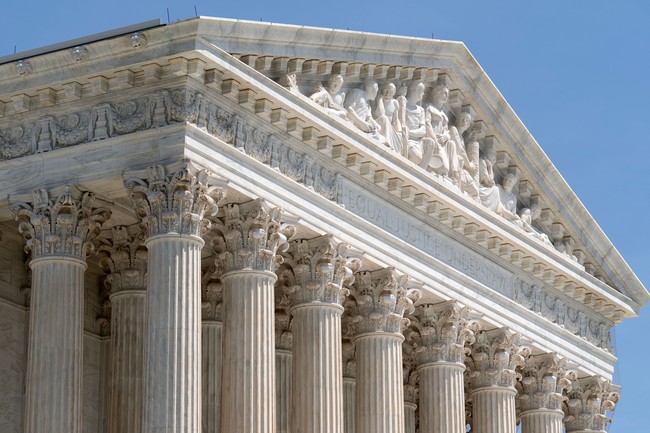
The Supreme Court handed Republicans a massive win for the campaign trail in an 8-1 ruling that allows for coordinated activity between campaigns and the party to receive discounted ad rates.
Original source:
Read at TownhallHow We See It
New Republican Times Editorial Board
An 8-1 ruling is not a coin flip. That's the part worth sitting with before anyone spins this as some partisan gift to the GOP. When you get that kind of lopsided agreement on the Supreme Court, it usually means the law was never really in question, just the politics around it. The old limits on coordinated party spending were a relic of a campaign finance regime that never made much sense once you looked closely at it, and eight justices apparently agreed the restrictions couldn't survive contact with the First Amendment.
Democrats will call this a loophole for Republicans because it's landing ahead of the midterms and their side has spent the last decade losing these fights at the Court. But the ruling doesn't hand anyone a cash advantage that wasn't already legally available in other forms. It just lets parties and campaigns work together more efficiently, buying ads at the same discounted rates any coordinated buyer gets in any other business. Pretending that's some sinister new capability ignores how campaign spending already works for everyone, in both parties, with every cycle.
What's actually notable here is how quietly this landed. No fireworks, no viral outrage cycle, just a lopsided ruling that quietly rewires how campaigns can spend money going into 2026. That should tell you something about how settled the legal question really was. The people howling about it aren't arguing law, they're arguing outcomes, and those are two very different things.
Commentary written with AI assistance by the New Republican Times Editorial Board.