

Simon & Schuster Once Axed a Book by Josh Hawley, but Here's Who It Will Publish
Conservative principles face implementation challenges as policy meets political complexity.
Simon & Schuster told us in 2021 that dropping Josh Hawley was about civic responsibility, not politics. A senator who objected to certification votes, they said, couldn't be published in good conscience. Fine.
New Republican Times Editorial Board
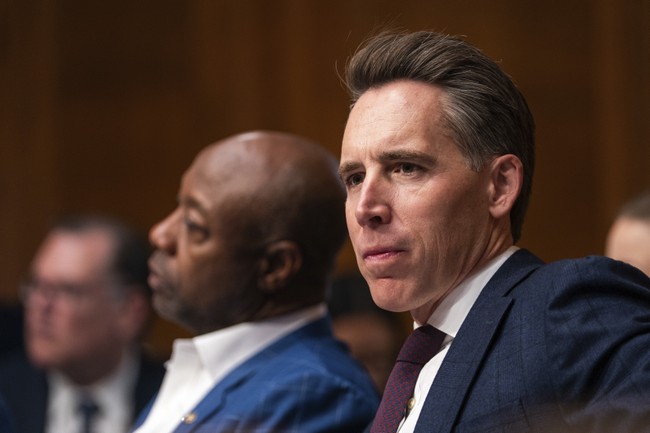
In 2021, publisher Simon & Schuster axed a book by Republican Sen. Josh Hawley, "The Tyranny of Big Tech," citing the January 6 riots as grounds for pulling it. Hawley called the move "Orwellian" and threatened to sue.
His book was later published by Regnery Publishing. At the time, Simon & Schuster said, "As a publisher it will always be our mission to amplify a variety of voices and viewpoints: at the same time we take seriously our larger public responsibility as citizens, and cannot support Senator Hawley after his role in what became a dangerous threat to our democracy and freedom."
Original source:
Read at TownhallHow We See It
New Republican Times Editorial Board
Simon & Schuster told us in 2021 that dropping Josh Hawley was about civic responsibility, not politics. A senator who objected to certification votes, they said, couldn't be published in good conscience. Fine. That's a stance a company is allowed to take. But stances have a way of revealing themselves over time, and this one has aged like milk left on the counter.
Because the question was never really "should a publisher have standards." Of course they can. The question is whether those standards apply evenly or whether "public responsibility" is just a nicer way of saying "we don't like this guy's politics." Hawley got cut for a floor objection. Meanwhile the same industry has published memoirs from far more compromised figures, people whose actions did a lot more damage than casting a procedural vote, without a hint of soul-searching about "amplifying dangerous voices." Funny how the principle only shows up when it's convenient.
Hawley didn't need Simon & Schuster in the end. Regnery picked up the book, it sold fine, and the senator is still in the Senate doing what senators do. The company lost nothing but its credibility on the point, which it apparently didn't value that highly to begin with. What this story really shows is how selectively "moral responsibility" gets applied in publishing, media, and plenty of other institutions that like to lecture the rest of the country about standards they don't hold themselves to.
Commentary written with AI assistance by the New Republican Times Editorial Board.