Trump says he will form AI Force to be led by 'czar'
This story raises questions about governance, accountability, and American values.
You don’t need a crystal ball to see where Washington is headed with artificial intelligence. You just need to look at who’s in charge. President Trump’s decision to name an AI czar and stand up what he calls an AI Force is a signal that this administration understands the moment.
New Republican Times Editorial Board
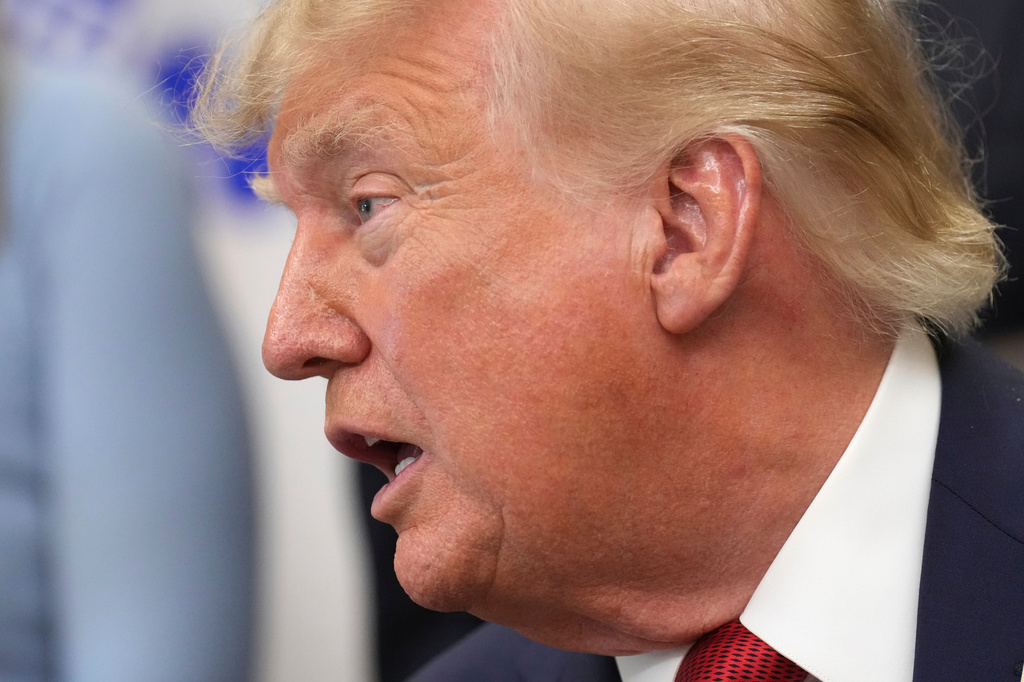
Trump said the administration would encourage the development of artificial intelligence while using existing laws to address potential abuses.
Original source:
Read at Washington ExaminerHow We See It
New Republican Times Editorial Board
You don’t need a crystal ball to see where Washington is headed with artificial intelligence. You just need to look at who’s in charge. President Trump’s decision to name an AI czar and stand up what he calls an AI Force is a signal that this administration understands the moment. The last few years have been a wild west of chatbots and deepfakes, and the previous crowd in Washington mostly responded with hand-wringing and task forces that produced reports nobody read. This is a plan to actually build something and set the ground rules while we do it.
The smart part is the approach. We’re not going to shackle American ingenuity with a brand-new, thousand-page bureaucracy before the technology even matures. Instead, we’re going to push forward and use the laws already on the books to keep things from going off the rails. That is the right priority. It tells Silicon Valley and our defense establishment that the United States is in the race to win, not in a committee to deliberate. The czar has to be a real job with real teeth, not just another title for a photo op. If this person just coordinates and files memos, then nothing changes. If they are clearing bottlenecks and knocking down regulatory hurdles, then we might actually stay ahead of our rivals.
There is a temptation on the other side to see every new technology as a threat that requires strict control. We reject that. The greatest risk isn't a citizen using a tool to be more productive; it's a foreign adversary outpacing us because we were too worried about hurting feelings. We already have laws against fraud, defamation, and national security leaks. Those don't disappear just because a computer wrote the text. Rely on the laws we have and save the new ones for real problems. We should be cautious about specific dangers, but we shouldn't be so cautious that we lose the lead to China or Europe. Those places would love to see us tie ourselves in knots over hypotheticals while they race ahead.
So, a thumbs up for the intent. The details will be the test. For now, the message is clear: we're going to build, we're going to lead, and we're going to hold bad actors accountable with the tools we already have. America should be the one setting the pace, not reacting to it. We look forward to seeing who takes the job and what they actually get done. There's a lot of work ahead, but at least the direction is finally right.
Commentary written with AI assistance by the New Republican Times Editorial Board.