

Trump’s New ‘Enemy’ Is People Who Don’t Abide By His AI Rebrand
President Donald Trump said Thursday that anyone who continues to use the term “artificial intelligence” rather than his preferred replacement is “the…
President Trump called people who still say “artificial intelligence” the enemy. That’s strong language, but it’s also classic Trump: poke the bear, watch the scolds swarm, and then let the argument turn into a debate about him instead of the actual policy. And the actual policy here matters.
Commentary is separate from the original publisher's reporting.
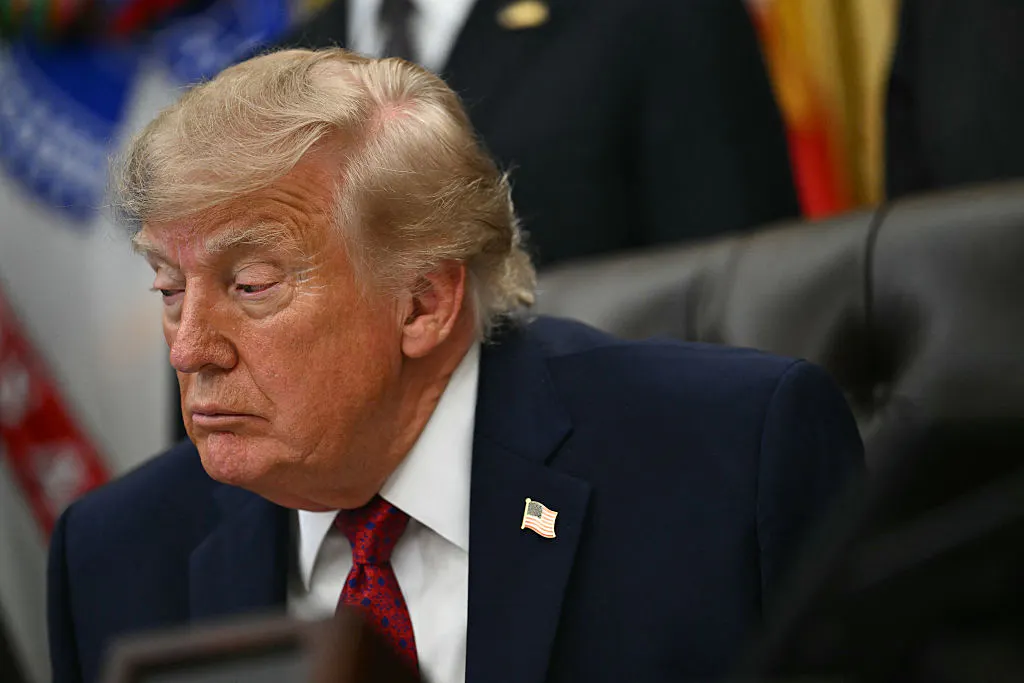
President Donald Trump said Thursday that anyone who continues to use the term “artificial intelligence” rather than his preferred replacement is “the enemy” of the White House.
Trump made the declaration on Truth Social as he continued his push to rename the technology. Last week, he signed an executive order directing federal agencies to use “Super Intelligence,” or “SI,” instead of “Artificial Intelligence,” or “AI,” in official communications.
Several prominent tech executives have embraced the terminology.
“No more AI. SI. It’s better,” wrote Elon Musk earlier this week. Musk also corrected himself while answering a reporter’s question outside the White House last week.
“I think it’s worth highlighting the positive benefits of AI — SI, pardon me. I think by far the most likely outcome is major abundance,” Musk said after he met with Trump and other tech leaders. Musk has also said he plans to rename SpaceXAI, SpaceX’s artificial intelligence unit, SpaceXSI.
In an interview with Fox News’s Bret Baier on Wednesday, Jeff Bezos endorsed the terminology. “I do like SI, “ he said. “Artificial means fake. It’s a big road to change, everybody getting to say Super Intelligence only because they’re so used to AI at this point…but I do understand the desire to get away from the word artificial.”
Nvidia CEO Jensen Huang also used the term in his post highlighting his meeting with Trump and other tech leaders. “Yesterday at the White House, leaders from across our industry came together to sign the White House Accord on Super Intelligence.”
Meta’s Mark Zuckerberg used “superintelligence” before Trump issued the order. On September 28, Zuckerberg said, “We believe superintelligence will create significant new opportunities for all people and businesses.”
The rebranding has also drawn criticism. War Room reporter Natalie Winters said, “Hammering ‘Super Intelligence’ and playing all those games is not what people voted for.”
University of Wisconsin-Milwaukee computing professor Thomas Haigh argued that the rebranding would not reassure the public.
Create a free account to join the conversation!
Original source:
Read at Daily WireHow We See It
New Republican Times Editorial Board
President Trump called people who still say “artificial intelligence” the enemy. That’s strong language, but it’s also classic Trump: poke the bear, watch the scolds swarm, and then let the argument turn into a debate about him instead of the actual policy. And the actual policy here matters. He signed an executive order telling federal agencies to stop using a term that has become a catch-all for everything from chatbots to autonomous weapons. The president is rebranding a technology, not banning it. That distinction seems to be lost on the people clutching their pearls.
The truth is, “artificial intelligence” has never been a great name. It sounds like something out of a half-remembered sci-fi movie, vaguely creepy and vaguely fake. It invites fear, not confidence. Trump’s replacement—whatever the final wording ends up being—forces the government to be more precise about what it’s funding, what it’s regulating, and what it’s actually talking about. That shouldn’t be controversial. Federal agencies can’t even agree on a definition of AI, and they’re supposed to be setting policy on it. A new name forces a new look at the whole thing. That’s not silly. That’s governance.
The left’s reaction has been predictable: mock the man for caring about words, ignore the order, and pretend this is just another tantrum. But the mockery is the tell. They don’t want American AI to have a clean, optimistic, forward-looking label. They want it to sound dangerous so they can regulate it into submission and hand the advantage to global rivals. Trump’s move is partly a troll, sure. But it’s also a signal that the White House will not let the bureaucracy keep framing this technology as a threat. The real enemy is the foot-dragging old guard that wants to slow-walk American leadership. Whatever you think of the specific term, the order does something useful: it tells the federal government to catch up. That’s worth a few headlines about “enemies.”.
Commentary written with AI assistance by the New Republican Times Editorial Board.