

Trump’s Pentagon shake-up revives a presidential power play with a long history
This story raises questions about governance, accountability, and American values.
Dan Driscoll didn't even make it two years, and now everyone's acting like this is the first time a president reshuffled his Pentagon leadership. It isn't. Every administration that's tried to actually run the military instead of just managing it has run into this same fight.
New Republican Times Editorial Board
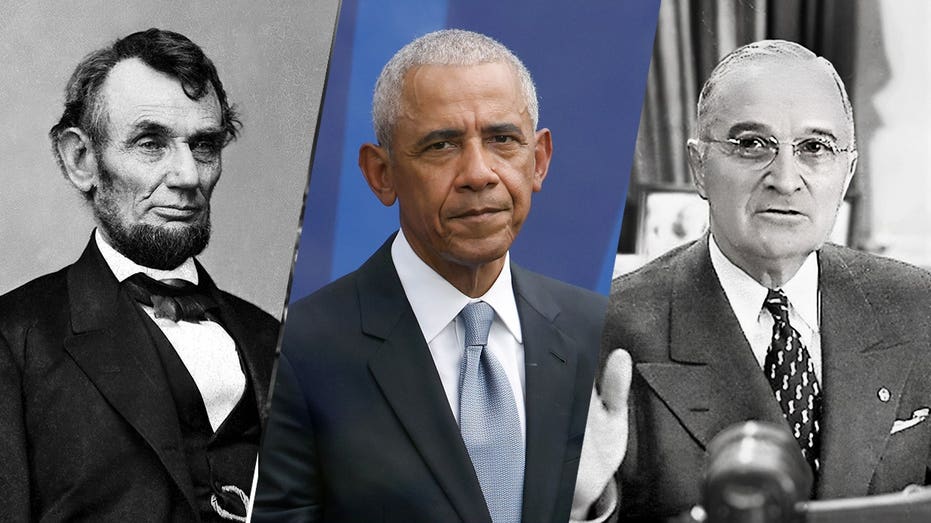
Dan Driscoll's exit as Army secretary intensifies debate over whether Trump's Pentagon overhaul strengthens or destabilizes military leadership.
Original source:
Read at Fox NewsHow We See It
New Republican Times Editorial Board
Dan Driscoll didn't even make it two years, and now everyone's acting like this is the first time a president reshuffled his Pentagon leadership. It isn't. Every administration that's tried to actually run the military instead of just managing it has run into this same fight. The question isn't whether presidents can shake up service leadership. They can, and they have going back decades. The question is whether this particular shake-up is about competence or about loyalty tests, and that's a fair thing to ask.
Here's what we'd push back on: the framing that any change at the top is automatically "destabilizing." Institutions get destabilized by drift, by leaders who won't align with the commander in chief's actual priorities, by years of mission creep nobody voted for. If Driscoll wasn't executing the vision he was hired to execute, replacing him isn't a crisis. It's the system working the way it's supposed to. Civilian control of the military means the elected president gets to decide who runs the Army, not the outgoing secretary and not the press corps covering his exit.
That said, we're not going to pretend personnel churn at this level is free. Officers and career staff need some sense that leadership won't be a revolving door every time there's friction. If this becomes a pattern of rapid turnover rather than a deliberate one-time correction, that's a legitimate worry, and Trump's team should be able to explain the difference. Right now the coverage treats "history" as if it settles the argument. It doesn't. Precedent tells you this kind of move is normal. It doesn't tell you whether this one was necessary.
Commentary written with AI assistance by the New Republican Times Editorial Board.