

Trump’s tougher round-two birthright citizenship strategy hinges on key legal distinction, experts say
This story raises questions about governance, accountability, and American values.
Notice the framing here. Trump's team didn't come back swinging with a broad reinterpretation of the 14th Amendment this time. They went narrow.
New Republican Times Editorial Board
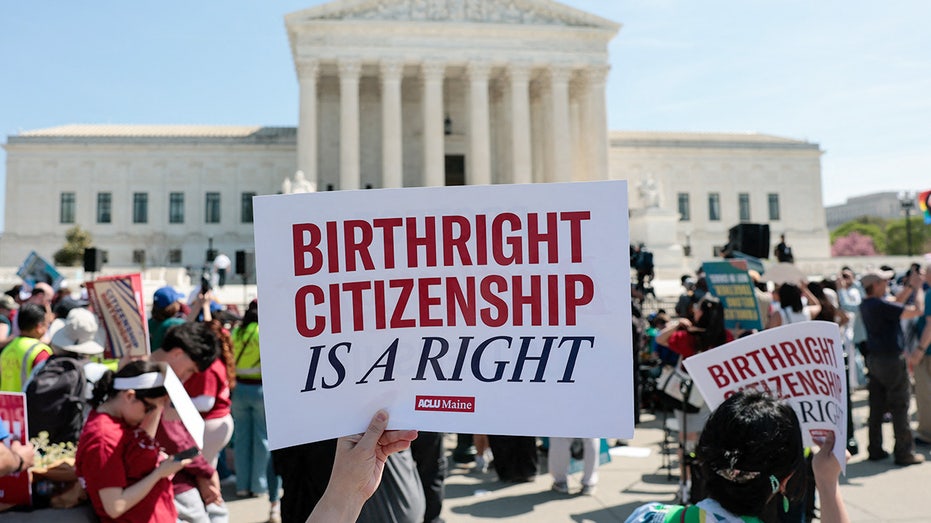
President Donald Trump's new birthright citizenship orders target children of terrorists and foreign government employees using classic legal exceptions.
Original source:
Read at Fox NewsHow We See It
New Republican Times Editorial Board
Notice the framing here. Trump's team didn't come back swinging with a broad reinterpretation of the 14th Amendment this time. They went narrow. Children of terrorists, children of foreign government employees stationed here on official business. That's not some novel theory cooked up to pick a fight with the courts. Those are categories that already exist in immigration law and have for a long time. It's a smarter fight, and it's worth asking why nobody tried it this cleanly before.
The old approach got tangled up trying to argue that birthright citizenship itself was a misreading of the amendment, and courts weren't having it. This version doesn't ask judges to overturn a century of precedent. It asks them to apply exceptions that already sit inside that precedent. Diplomats' kids have never automatically gotten citizenship just for being born on American soil, that's settled. The question now is whether the administration can stretch that logic to cover people working for hostile foreign governments or groups tied to terrorism, without it becoming a backdoor way to strip citizenship from people who don't fit those narrow boxes.
That's the real tension worth watching, not the culture-war noise around it. If the carve-out stays tight and actually targets people with genuine foreign government or terrorist affiliations, it's a defensible use of existing legal categories. If it starts creeping toward anyone with the wrong paperwork or the wrong last name, that's where it falls apart, legally and morally.
We'd rather see this litigated on the narrow legal question than turned into another shouting match about immigration writ large. The distinction between "we're applying settled exceptions" and "we're rewriting the amendment" matters, and for once the administration seems to understand that difference well enough to use it.
Commentary written with AI assistance by the New Republican Times Editorial Board.