

Source report & NRT opinion
UK accuses China of using academics to spy on AI and other tech research
Based on reporting by Headtopics.
Source preview
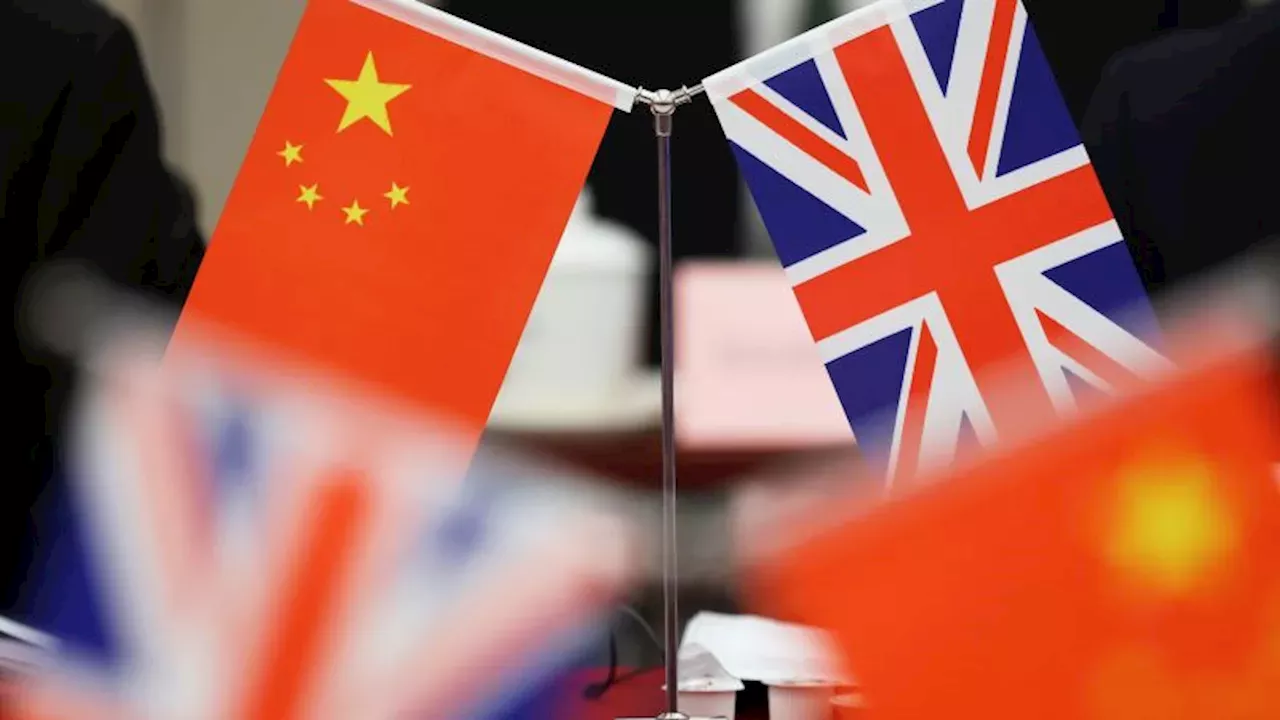
Britain’s MI5 spy agency issued an unprecedented alert on Wednesday to warn that a Chinese organization was involved in funding academic research into topics such as AI on behalf of Beijing’s state security service.
This archive entry has not yet been converted into a full NRT brief. Read the original report for its complete context and responses.
NRT commentary
How We See It
The British intelligence service has finally said out loud what American technologists have whispered for years. MI5's warning about a Chinese organization funneling money into academic AI research isn't a surprise. It's a confirmation. The playbook is obvious: bankroll a lab, get access to the papers, pick the brains of the grad students, and quietly ship everything back to Beijing. Anyone who's worked on a university campus knows this doesn't happen in the shadows. It happens in open forums, in co-authored papers, and with a straight face.
What's striking is how long the UK took to admit it. And what's happening here? Our own intelligence chatter has been milder, with less public spine. The consensus among Western elites was that we could welcome Chinese money and keep our secrets. That idea was always naive. China has been running industrial espionage through academic outposts for years, not just in AI but in biotech, semiconductors, and hypersonics. The only variable is how blunt they are about it.
The left has a hard time accepting this because it complicates the happy story of global research collaboration. But national security isn't canceled by academic credentials. A foreign intelligence service is a foreign intelligence service, whether the agent holds a PhD or not. The conservative instinct to treat this threat seriously, to push for more screening of foreign research funding, to prioritize national interest over institutional prestige, has been mocked for years. Maybe MI5's alert will finally change that tone.
There's also a Trump angle worth remembering. His administration was more willing to name the threat and to restrict Chinese student and researcher access where appropriate. The Biden years softened that posture, and the tech sector was thrilled. Now an ally is admitting they didn't just overreact, they underreacted. We should take note. Open science is a good thing. But there's a difference between sharing ideas freely and handing the road map to a strategic competitor. That distinction is not anti-intellectual. It's basic self-preservation.
Commentary uses AI assistance. Read about our automated checks or report a correction.