

White House silent on Iran-Oman Hormuz plan Tehran says would ban US warships
Regional stability hinges on credible deterrence and strategic partnerships with key allies.
Iran floats a plan through Oman to run the Strait of Hormuz and quietly writes American warships out of it, and the White House response so far has been silence. That's the part worth sitting on. Twenty percent of the world's oil moves through that strait, and the US Navy has kept it open for decades so tankers and everybody's economy can function without Tehran holding a knife to global energy prices.
New Republican Times Editorial Board
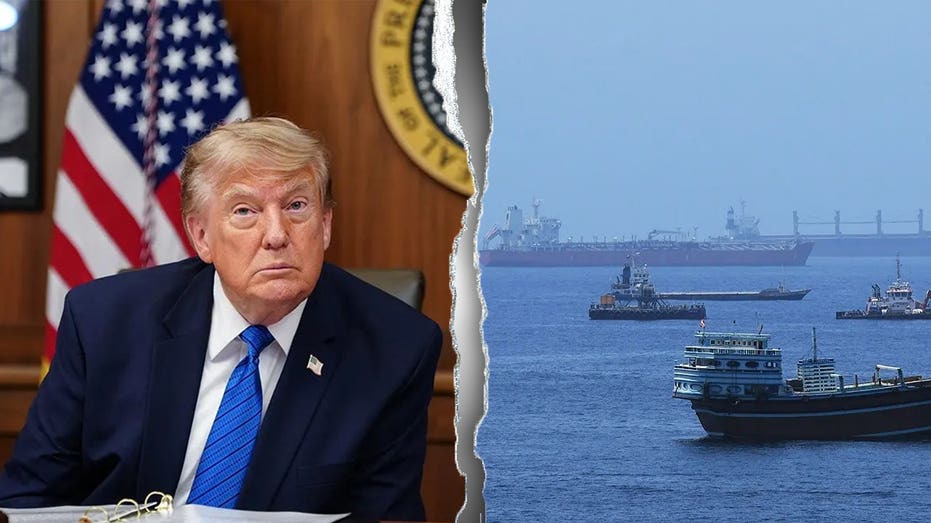
Iran says a proposed Strait of Hormuz framework with Oman would exclude military vessels, but the White House won't say if Trump would accept it.
Original source:
Read at Fox NewsHow We See It
New Republican Times Editorial Board
Iran floats a plan through Oman to run the Strait of Hormuz and quietly writes American warships out of it, and the White House response so far has been silence. That's the part worth sitting on. Twenty percent of the world's oil moves through that strait, and the US Navy has kept it open for decades so tankers and everybody's economy can function without Tehran holding a knife to global energy prices. A framework that sidelines US military vessels isn't a technical shipping arrangement. It's Iran testing whether it can rewrite who gets to secure one of the most important chokepoints on earth, and doing it through a middleman so nobody has to answer for it directly.
Oman playing broker isn't new, and there's nothing wrong with talking. But there's a difference between mediating and laundering an outcome nobody in Washington would sign onto if Iran proposed it outright. If this framework moves forward with American ships written out of the picture, that's a real concession with real consequences, not a diplomatic nicety.
The administration doesn't have to announce every position in real time, and there's a case for letting negotiations breathe before commenting. But "we won't say if Trump would accept it" is not the same as having a strategy. Iran picked this fight publicly through Muscat specifically because it puts pressure on the US to either object loudly or let the silence read as acquiescence. Given how much leverage Tehran gets from ambiguity here, somebody should be saying plainly that American warships aren't optional extras in a waterway we've spent fifty years keeping open.
Commentary written with AI assistance by the New Republican Times Editorial Board.