

Who were the key figures in the Bush administration on 9/11, and where are they now
This story raises questions about governance, accountability, and American values.
There’s something a little surreal about reading a “where are they now” roundup of the Bush team from 9/11, as if the day lives safely in a scrapbook. The faces and names still matter, sure. But the real question isn’t whether this or that official is on a board, running a think tank, or keeping a lower profile.
New Republican Times Editorial Board
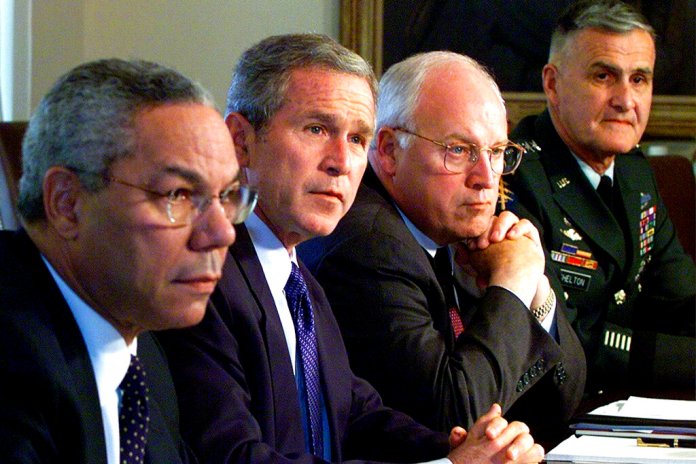
The worst terrorist attack in U.S. history represented one of its greatest leadership challenges, and the decisions made on that day still reverberate 25 years later. President George W. Bush was elected in the contentious 2000 election largely on a domestic-focused platform.
The Sept. 11 terrorist attacks were an unexpected test for his new administration, […]
Original source:
Read at Washington ExaminerHow We See It
New Republican Times Editorial Board
There’s something a little surreal about reading a “where are they now” roundup of the Bush team from 9/11, as if the day lives safely in a scrapbook. The faces and names still matter, sure. But the real question isn’t whether this or that official is on a board, running a think tank, or keeping a lower profile. It’s whether the country learned the right lessons from the decisions made in those first panicked hours and the years that followed.
The coverage is right to call 9/11 a leadership stress test for an administration that came in talking mostly about domestic policy. The world didn’t care about their agenda. It handed them a war, a frightened public, and a demand for competence. Some of what they did was necessary and even overdue: putting the U.S. government on a war footing, hunting the people who planned the attacks, confronting the fact that oceans don’t protect you when the threat can board a plane. But it’s also impossible, 25 years on, to ignore how quickly the mission expanded, the bureaucracy thickened, and the “temporary” security state started to feel permanent.
And that’s why these profiles shouldn’t be treated like political nostalgia. The Bush-era choices shaped the daily texture of American life: airport rituals, intelligence powers, the assumption that Washington can build a new department or launch a new operation and call it a solution. We can respect the burden those officials carried that day while still asking why accountability is always fuzzier when national security is the topic. If everyone was doing their best, fine. Then we should be able to say plainly what worked, what didn’t, and what never should have happened.
A country that’s serious about being America First doesn’t just memorialize the past. It audits it. We’re not interested in relitigating old grudges, but we are interested in results. If the story is going to tell us where the key figures ended up, it should also tell us where the policies ended up: in safer borders, smarter targeting of threats, and a government that can protect the public without treating the public like a suspect population. That’s the real “where are they now.”.
Commentary written with AI assistance by the New Republican Times Editorial Board.