

Why 9/11 conspiracy theories survived 25 years
This story raises questions about governance, accountability, and American values.
**19 Islamic terrorists boarded four planes** and turned a Tuesday morning into a national scar. Yet here we are, 25 years on, reading another explainer about why conspiracy theories won’t die. They won’t, because for a lot of people the story is too horrific to sit with.
New Republican Times Editorial Board
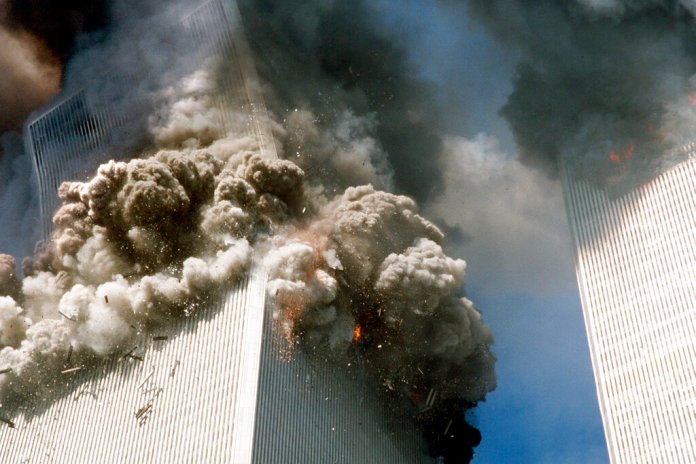
The tragic events of 9/11 were caused when 19 Islamic terrorists boarded four commercial aircraft and flew them toward targets in New York City and Washington, D.C. Two planes hit the World Trade Center’s Twin Towers, causing the towers and three surrounding buildings to collapse, one plane struck the Pentagon, and the fourth was driven […]
Original source:
Read at Washington ExaminerHow We See It
New Republican Times Editorial Board
19 Islamic terrorists boarded four planes and turned a Tuesday morning into a national scar. Yet here we are, 25 years on, reading another explainer about why conspiracy theories won’t die. They won’t, because for a lot of people the story is too horrific to sit with. So they go hunting for a cleaner villain, a more cinematic plot, some hidden lever that “makes it make sense.” But the actual story already has names, faces, and a motive, and we do ourselves no favors by acting like that’s up for debate.
There’s also a more mundane reason these theories survive: institutions spent years training Americans not to trust them. We were told “weapons of mass destruction,” then watched the goalposts move. We were told airports needed endless theater, and watched well-connected people glide around it. We were told surveillance powers would be used carefully, and then we learned how broad the net was. When government and media overpromise, people fill the gap with nonsense. That doesn’t excuse it. It explains the soil it grows in.
But we should be honest about the cost. Conspiracy talk has a way of laundering responsibility. It blurs the fact that radical Islam was the driver that day, not a magic trick pulled off in a lab. It also cheapens the lives lost, the responders who ran in, and the families who lived with the aftermath. You can demand transparency, ask hard questions, and still keep your feet on the ground. Skepticism isn’t a substitute for reality.
If the press wants fewer people wandering into the conspiracy swamp, it can start by dropping the tone of “we’re here to correct you, citizen.” Lay out the timeline. Say what we know, what we don’t, and what the evidence actually supports. Then stop feeding every fringe claim like it’s a fascinating cultural artifact. The country doesn’t need more myth-making about 9/11. It needs adults who can handle ugly facts and still tell the truth out loud.
Commentary written with AI assistance by the New Republican Times Editorial Board.